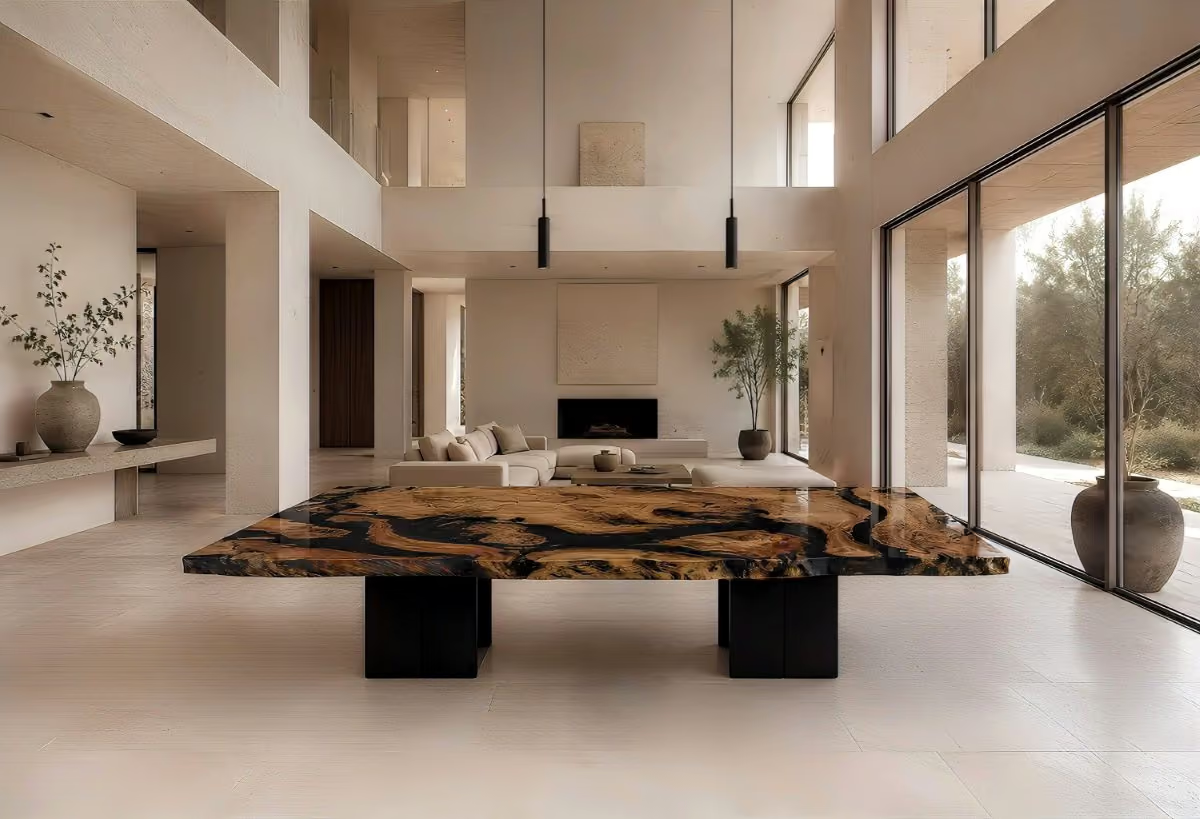
Archive of Sculptural Collectibles
The Work Archive brings together a selection of Beaupoil’s earlier works and showcases the breadth of Ancient Kauri: monumental root slabs with amber, serene trunk formations, preserved tree forms, and sculptural one-of-a-kind pieces with documented provenance.
Designer Table with 28,000 Years of Material History
Collectible Furniture Made from Burls and Tree Trunks
· Unique Item No. 71
· Dimensions: 250 x 100 cm - Panel thickness: 6 cm
· Carbon-14 dated to approximately 28,000 years
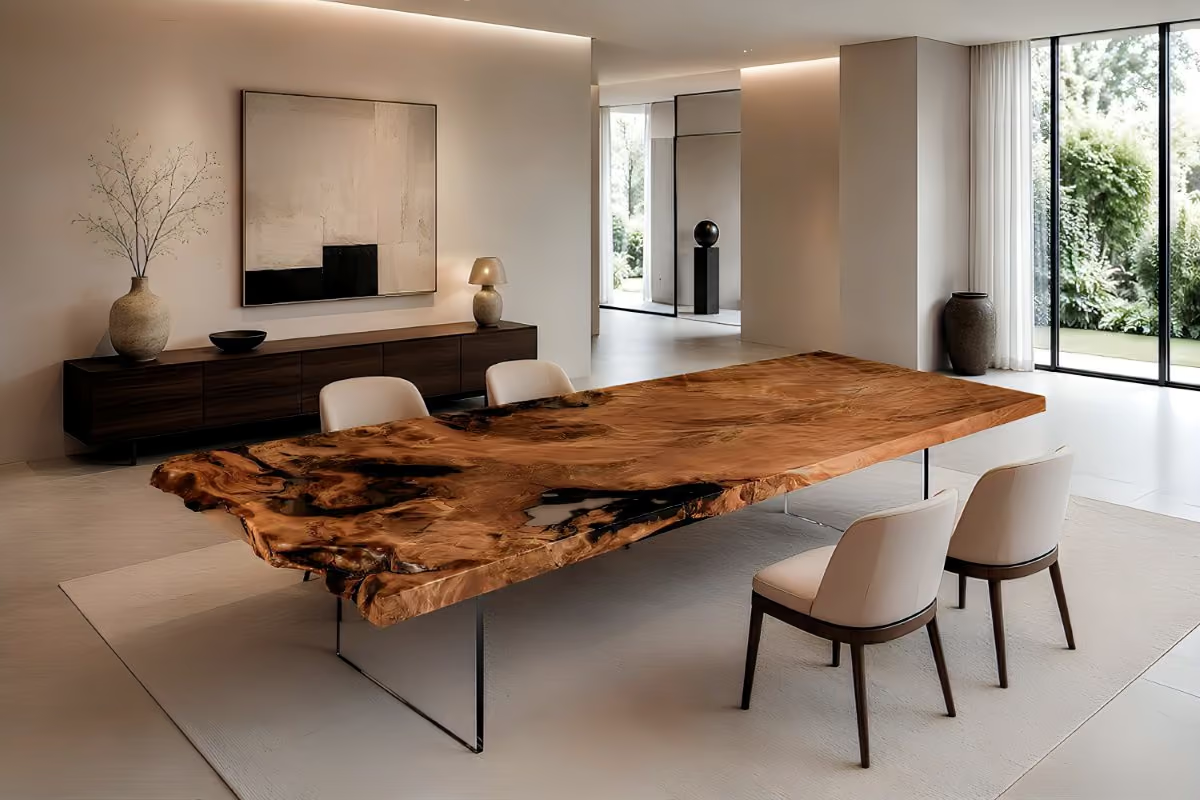
· Delicate glass legs make the tabletop appear to float
· A sculptural design piece and a functional dining table
Unikat 71 is a 250 × 100 cm designer table made from 28,000-year-old kauri burl wood. The tabletop combines sections of burl and tree trunk in a single piece; transparent epoxy resin inlays and delicate glass legs highlight the material’s natural depth and sculptural quality while serving as a dining table.
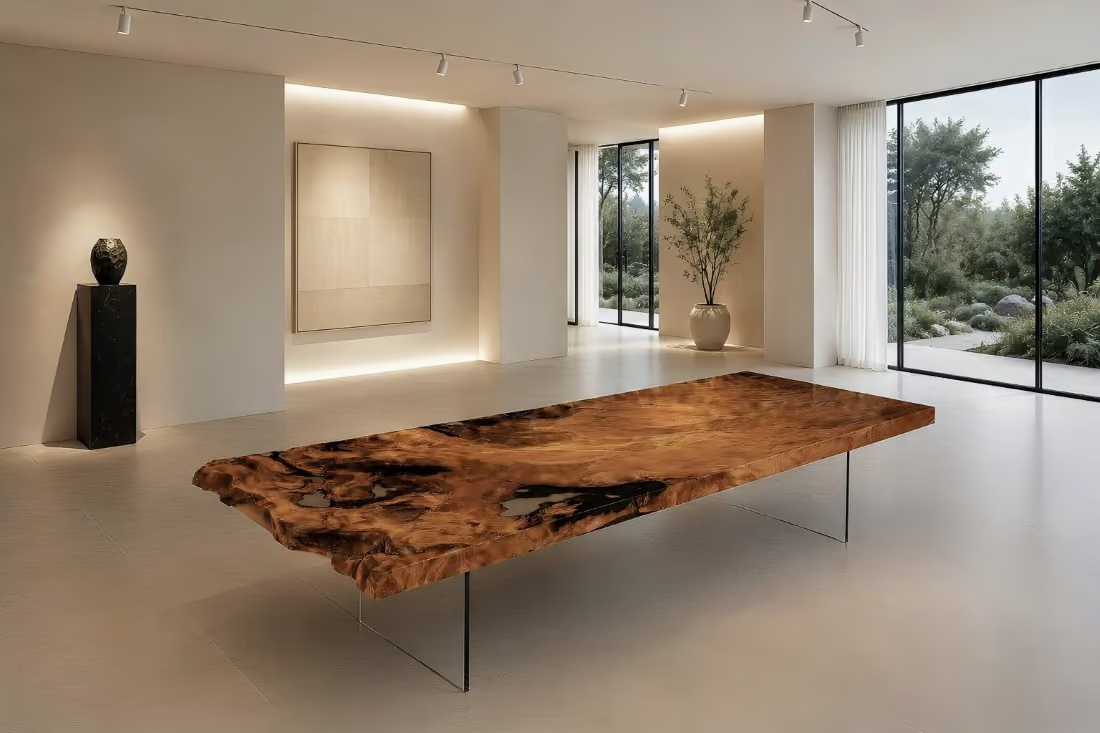
A sculptural dining table as functional art
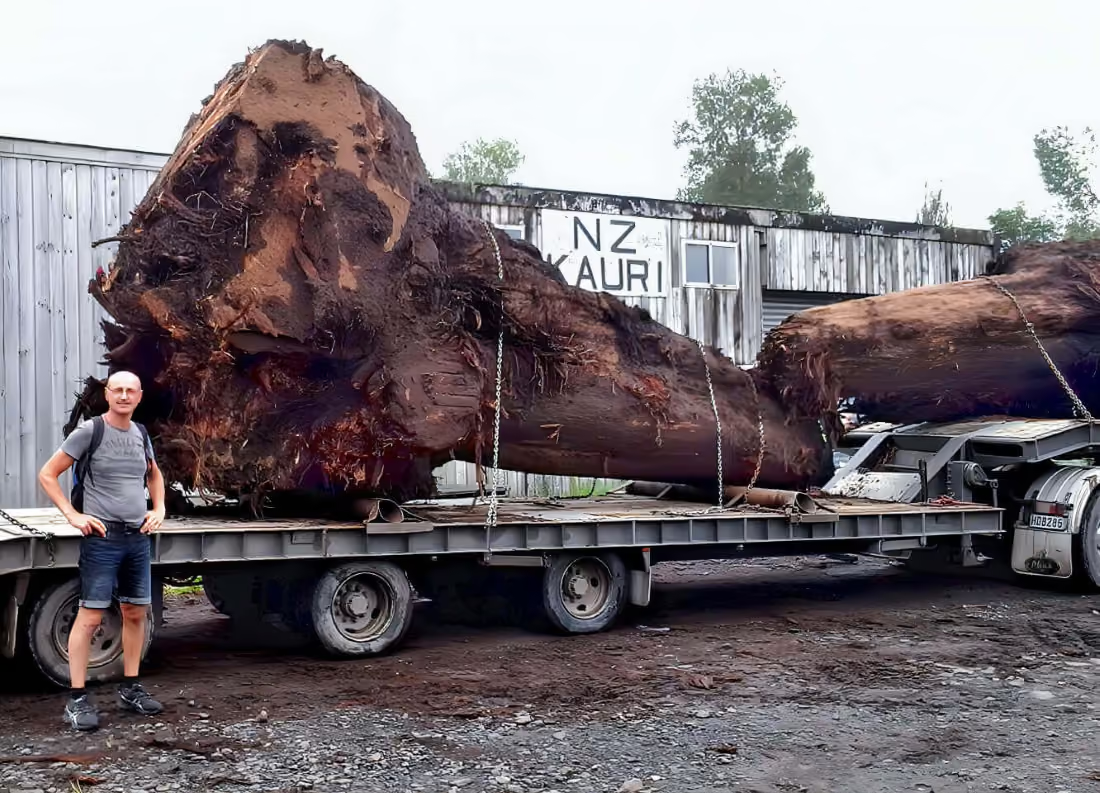
From a monumental root structure to a collector's item
· Unique Item No. 139
· Dimensions: 330 × 120 cm - Slab thickness: 11 cm
· made from an impressive piece of driftwood measuring 330 x 200 x 180 cm
· Carbon-14 dated to approximately 47,000 years
· naturally formed amber
The documented selection of the massive root form—which originally measured 330 x 200 x 180 cm—its cutting, and its refinement in the studio make this work exemplary of the creative process behind the Beaupoil pieces.
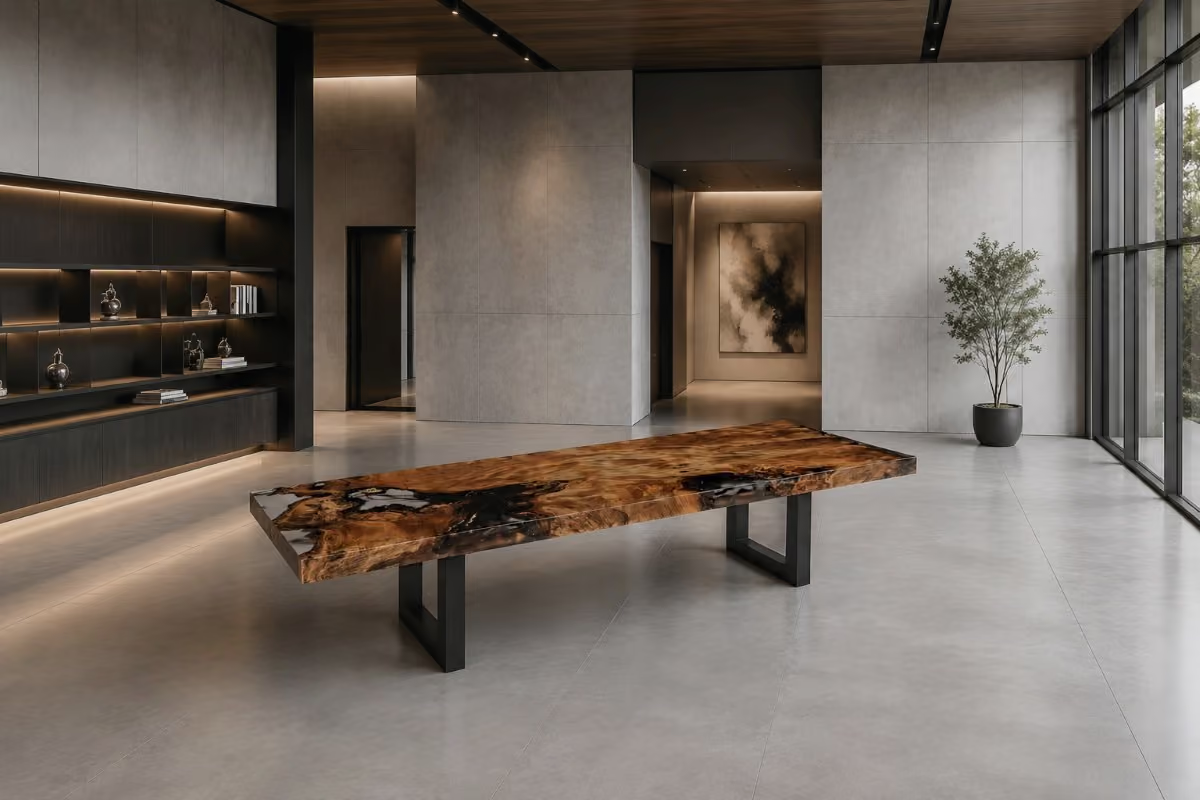
Museum-Quality Artwork: Rootwood Table
Rarity due to large areas of amber
· Unique Item No. 171
· Dimensions: 230 × 105 cm - Panel thickness: 8 cm
· Carbon-14 dated to 3,700 years
· Extensive areas of visible, naturally embedded amber
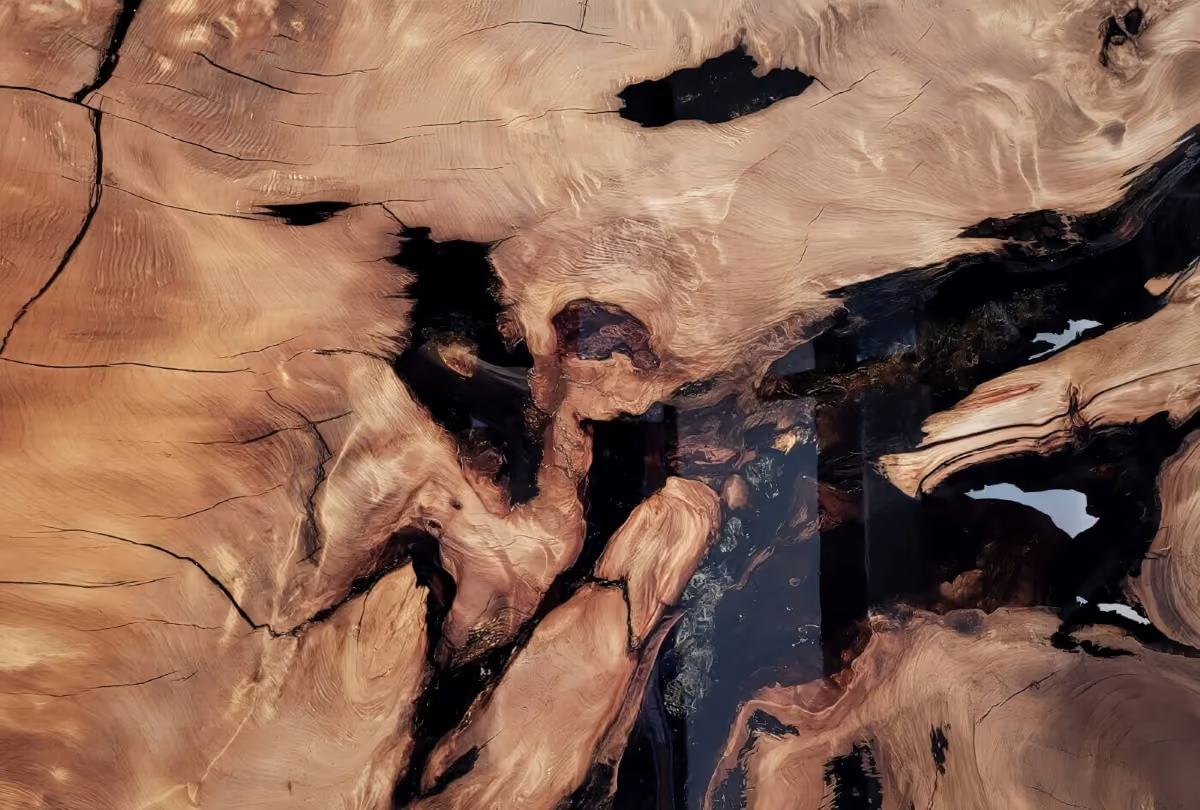
The exceptionally large golden amber-colored areas define the visual character of this collector's item and make the millennia-long history of the solid wood immediately apparent.
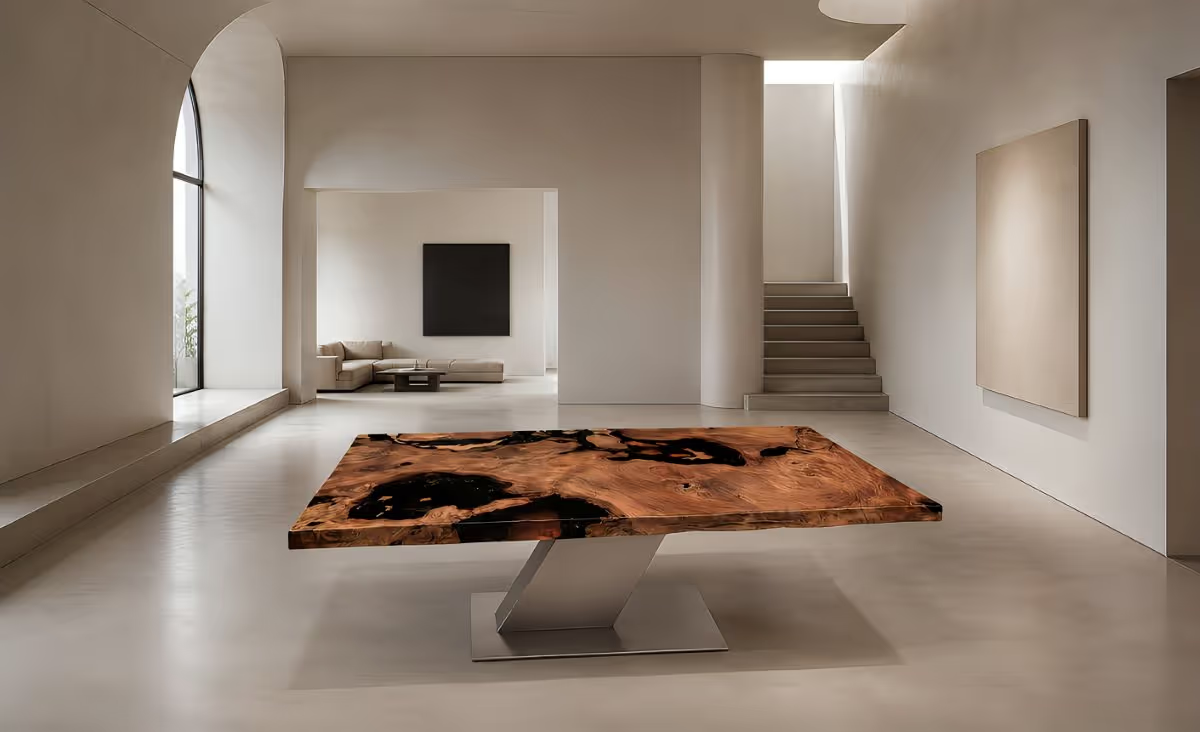
Characterized by amber and bark
Geological visual effect created by amber and bark
· Unique Item No. 190
· Dimensions: 240 x 140 cm - Slab thickness: 8 cm
· Carbon-14 dated to 41,000 years
· Extensive amber and bark formations
Extensive amber and bark formations give this documented collector's item a geological depth of material and a distinctive visual impact.

Rare Burl Wood Table
From Found Object to Sculptural Collectible
· Unique Item No. 191
· Dimensions: 280 × 100 cm - Panel thickness: 8 cm
· Carbon-14 dated to 3,700 years
· naturally formed amber
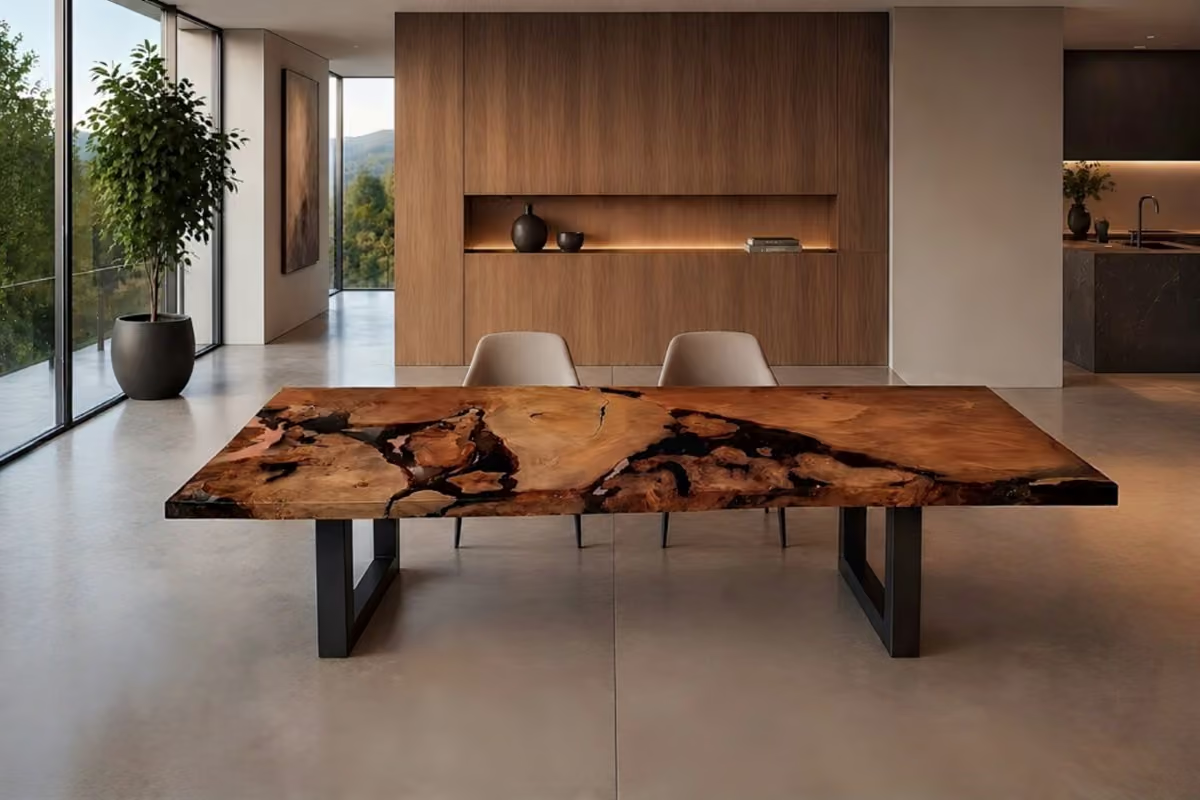
The organic structure is reminiscent of coastlines, island worlds, and geological landscapes, giving the work its extraordinary resemblance to naturally formed maps and topographies.
Tree Growth
Natural Unity of Heartwood and Sapwood
· Unique Item No. 192
· Dimensions: 230 × 100 cm - Panel thickness: 8 cm
· Carbon-14 dated to 3,700 years
· naturally formed amber
The natural transition between the calm heartwood and the vibrant root structure gives this documented collector's item its unique material appeal. Large, golden-colored amber sections make this piece a one-of-a-kind collectible dining table.

Material Properties of Ancient Kauri
Monumental root plates, tree-like formations, and amber formations
The archived works showcase various manifestations of the Ancient Kauri—from amber-rich root systems to monumental tree forms and serene trunk formations. These formations are no longer available today and are preserved as documented works.
Custom Commissioned Works
New works based on individual formations and spatial concepts
Based on the existing raw slabs and the formations personally selected by Beaupoil in New Zealand, new works are created upon request with comparable material characteristics or tailored to specific requirements regarding space, use, and proportion.
However, the natural uniqueness of each Ancient Kauri formation makes every piece a one-of-a-kind work with its own material history and artistic identity. Due to the high level of complexity and the amount of craftsmanship involved, only a few pieces are created each year.
Material Properties of Ancient Kauri
Different Spatial Roles
The archived works demonstrate how differently a piece can interact with space depending on its arrangement. Some objects function as a central table, while others serve more as sculptural collectibles or as freestanding material installations in a gallery or architectural interior.
This diversity is what makes the archive of works so important: it documents past works and the spatial and formal range of the material.
Archived Formations
Archived works with documented provenance
The result is an archive of images and documented one-of-a-kind pieces with distinct material qualities, limited availability, and a clear place within the fields of collectible design and contemporary craft.