
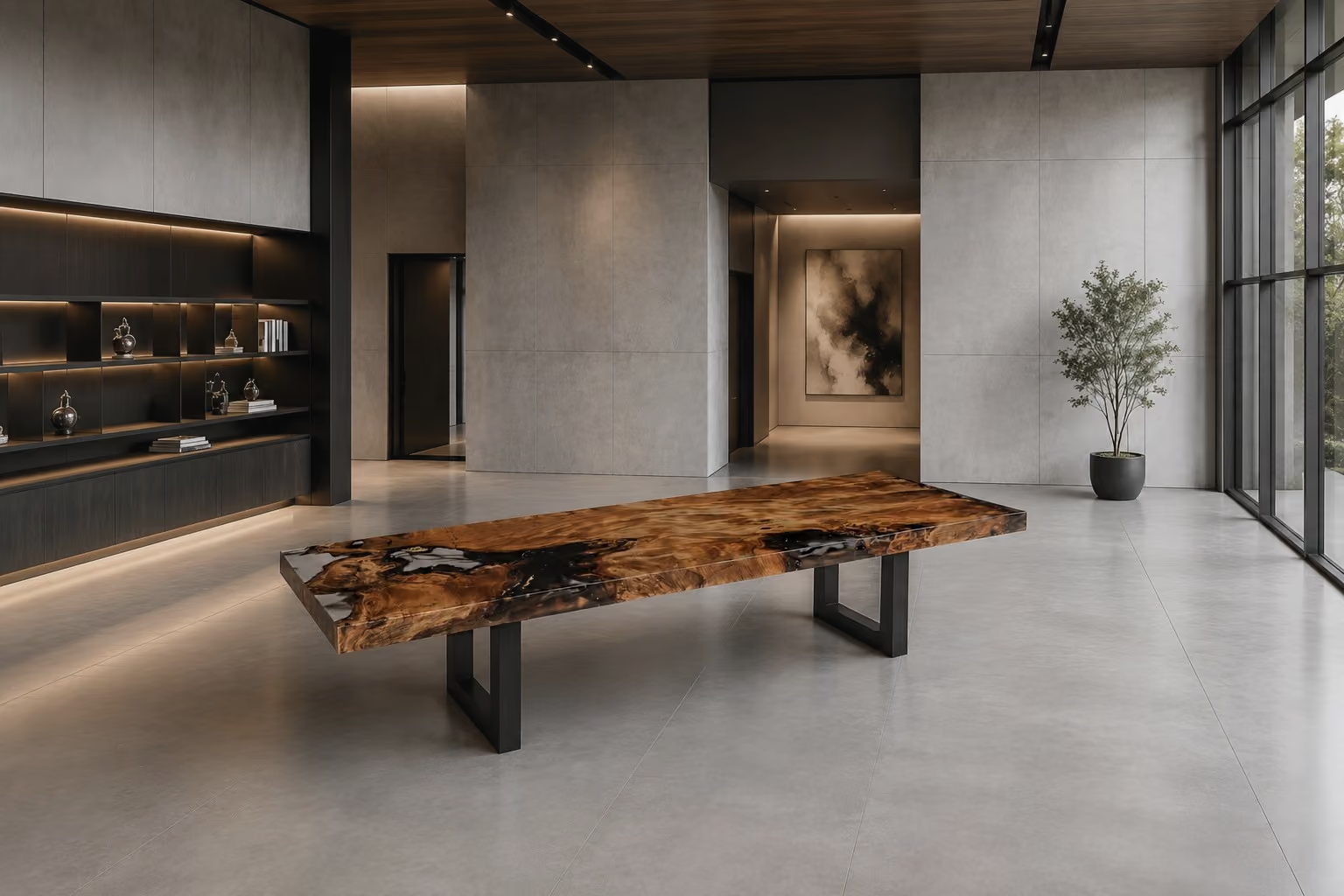
One-of-a-Kind 139 – Sculptural Dining Table Made from a Monumental Tree Root
Unique Piece 139 exemplifies how Beaupoil-Kauri works are created: from a single formation that is selected on site, recovered, transported, and revealed in the studio. The uniqueness of the work lies in the material’s concretely traceable origin.
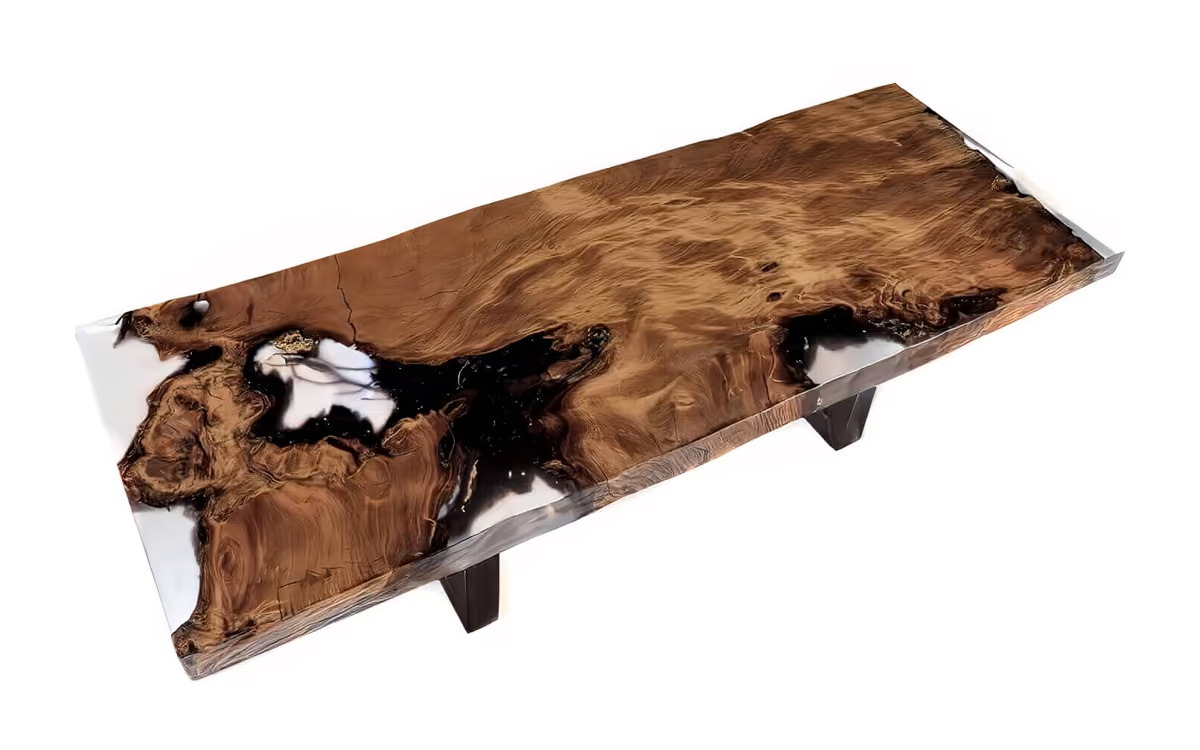
This collector's item brings to light what Beaupoil's entire body of work entails: personal selection, documented provenance, artisanal restoration, and a body of work whose origins remain evident in the finished object.
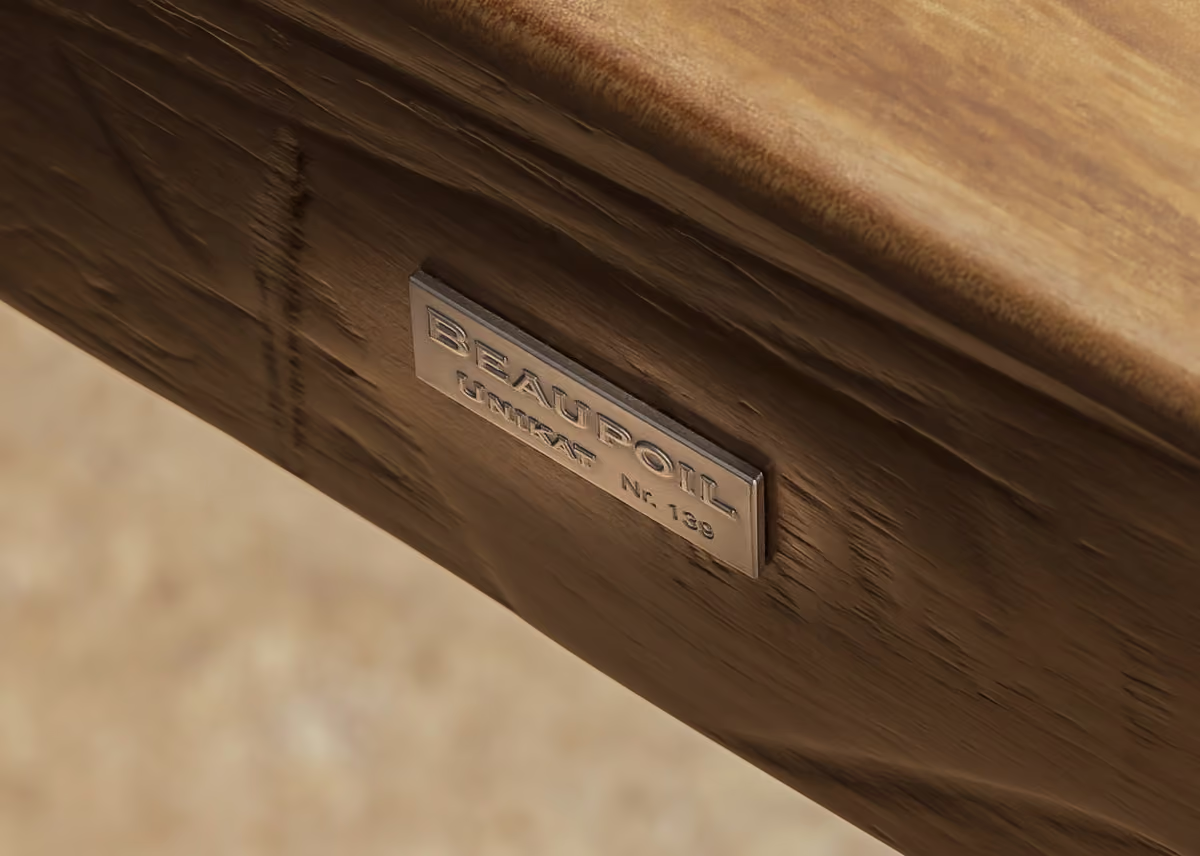
Origin of a Collectible Design Object
Ancient Kauri: A Collector's Item Between New Zealand and the Studio
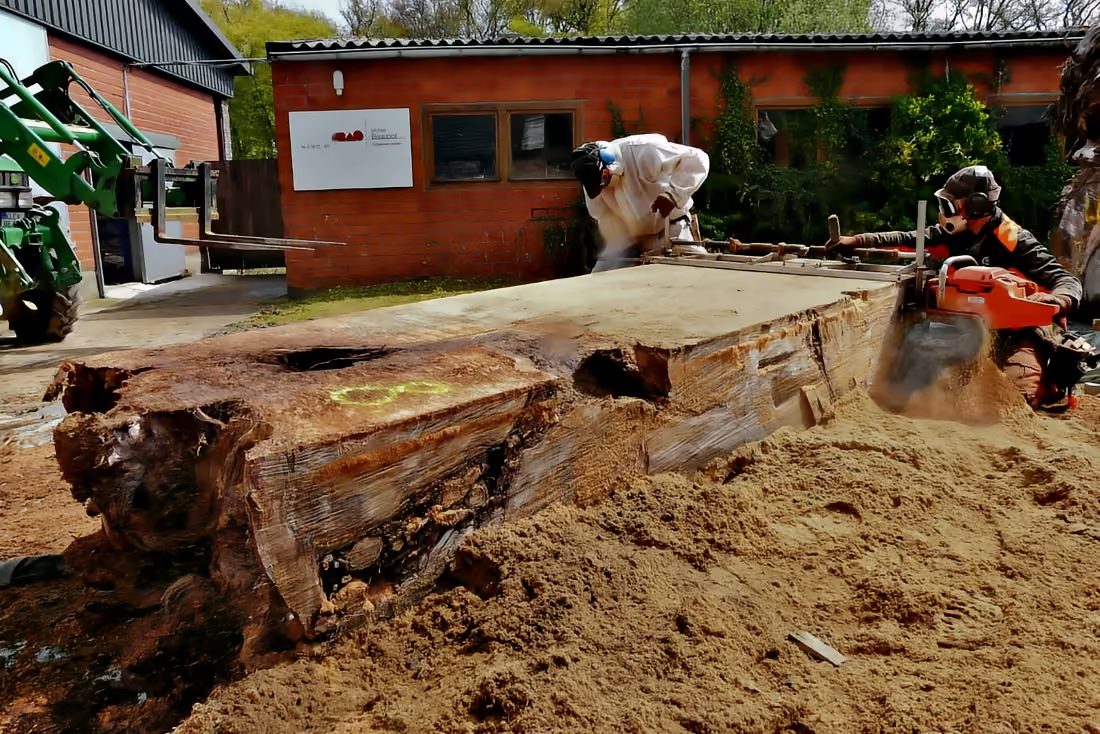
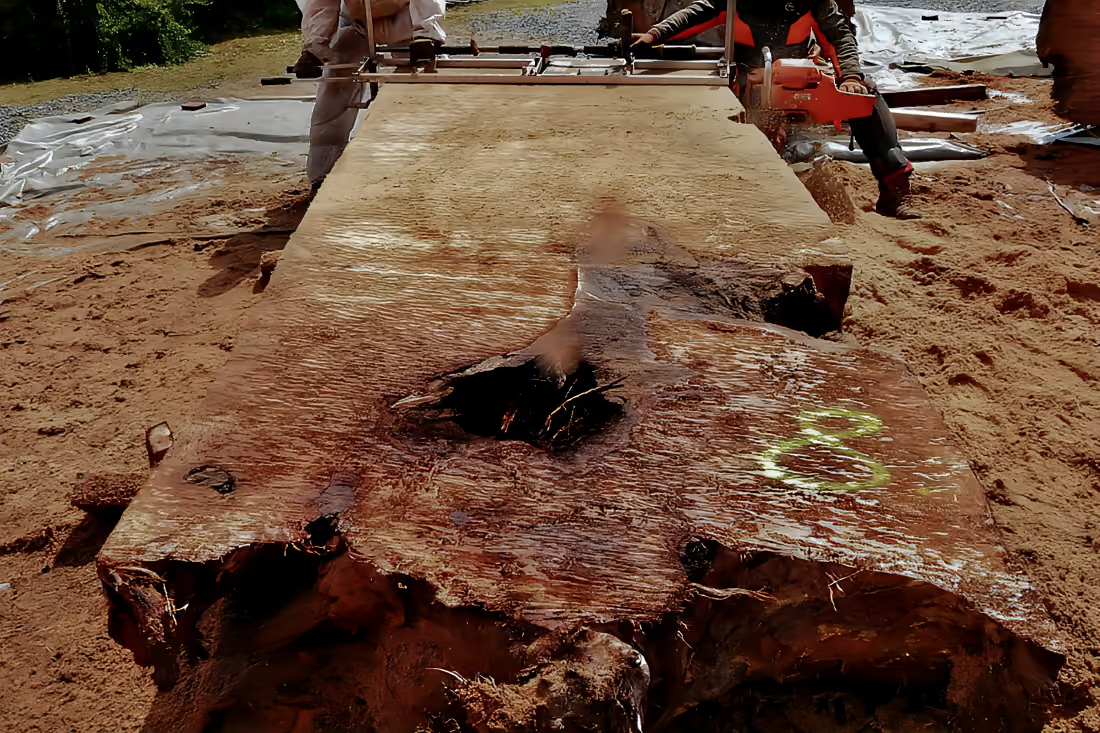
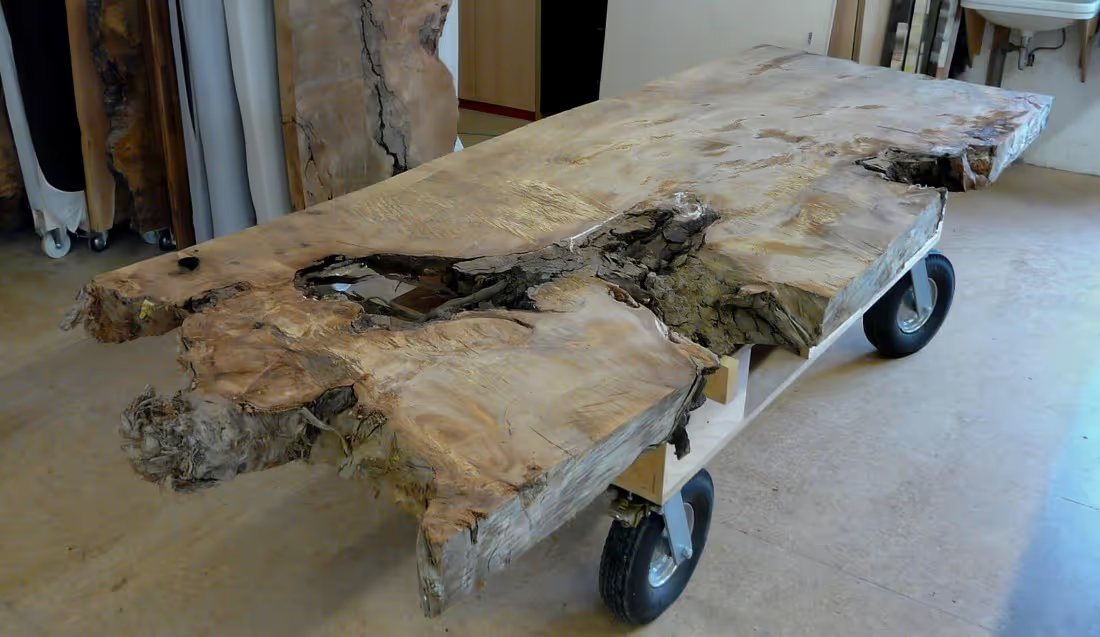
Unique Piece 139 was crafted from an Ancient Kauri burl that originally measured 330 × 200 × 180 cm and was transformed into a 330 × 120 cm dining table with an 11 cm-thick top. The series of images illustrates how a single piece of wood is transformed into a work of art in its own right.
With Beaupoil’s kauri objects, the origin is part of the story itself. The on-site selection, recovery, transport, and subsequent cutting remain visible as a process.

Ancient Kauri Origin
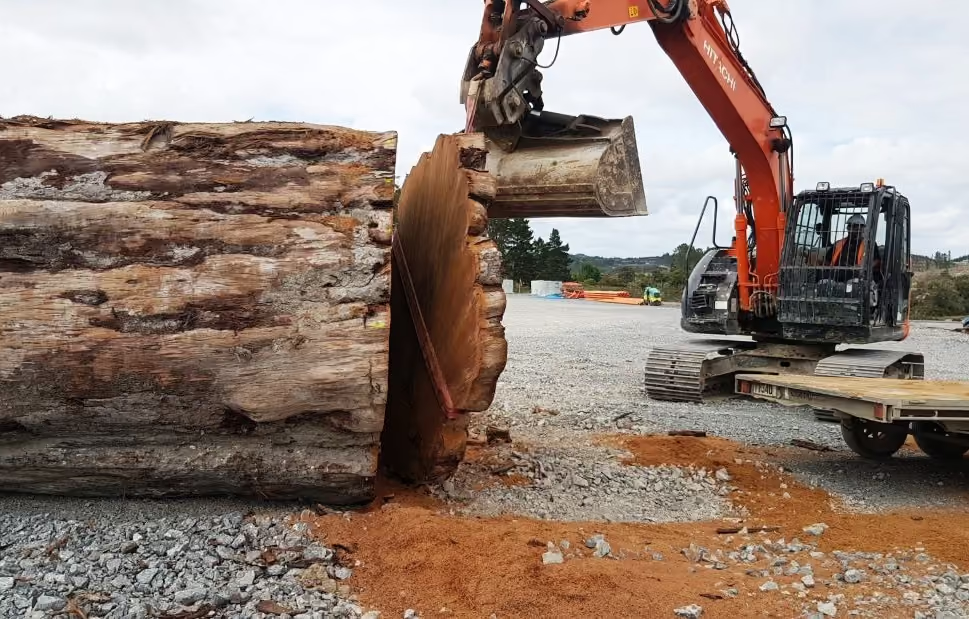
Selection of the monumental root structure in New Zealand
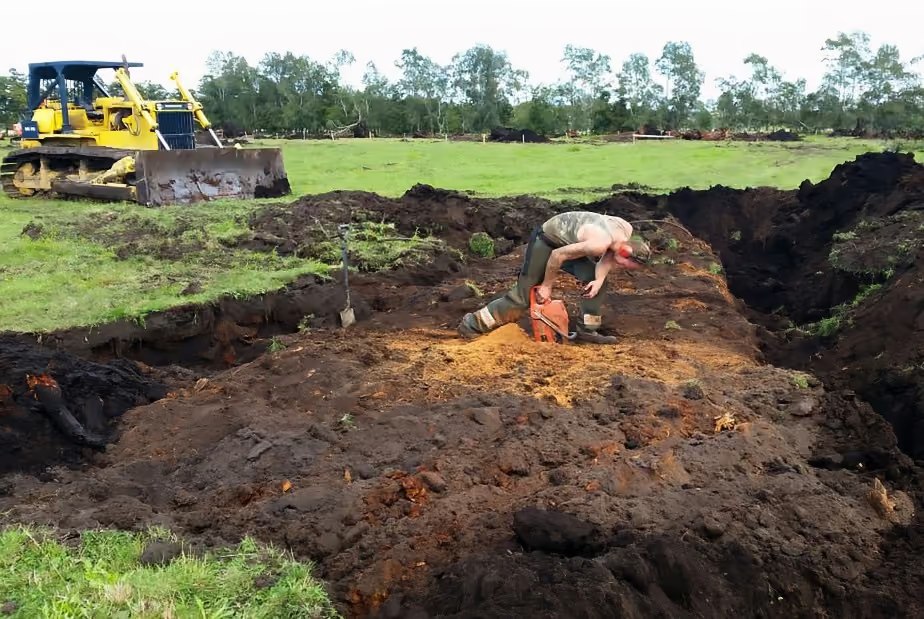
Beaupoil personally selected this root form in New Zealand. Even in its raw state, its size was extraordinary. The root bases, natural transitions, and the material’s massive physical presence were clearly visible even before it was cut to size.
The photos from New Zealand show the root mass in its original form. That is where the work begins.


A Journey Through Collectible Materials
The Journey of a One-of-a-Kind Collectible
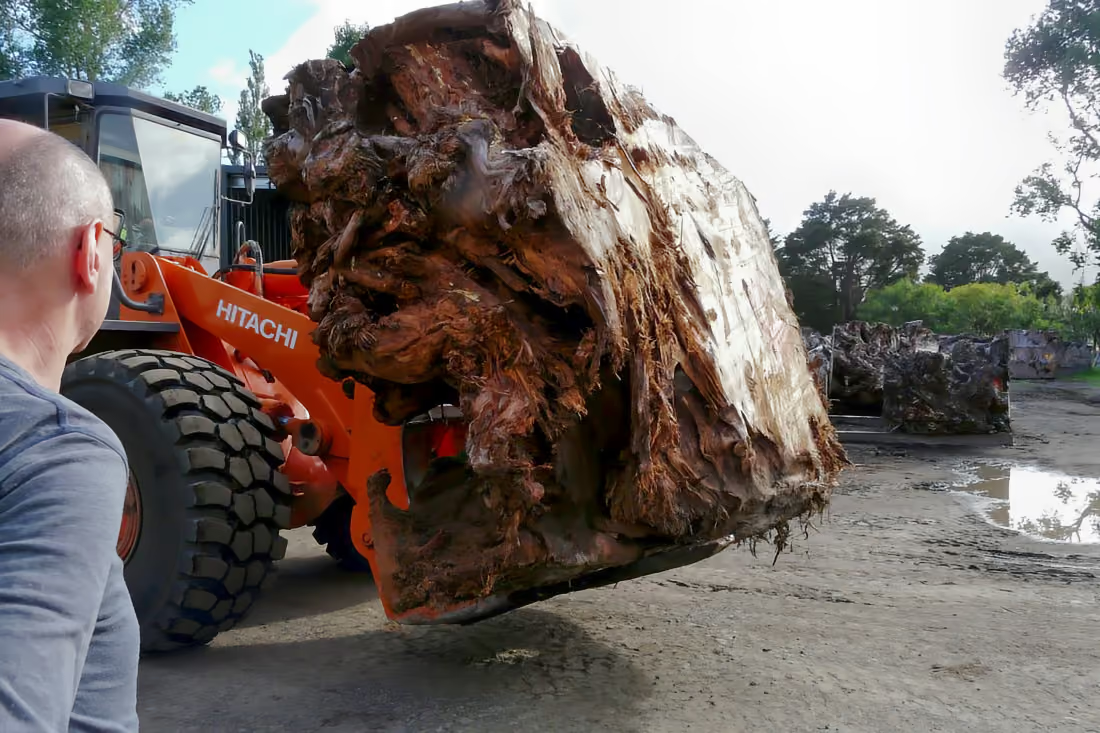
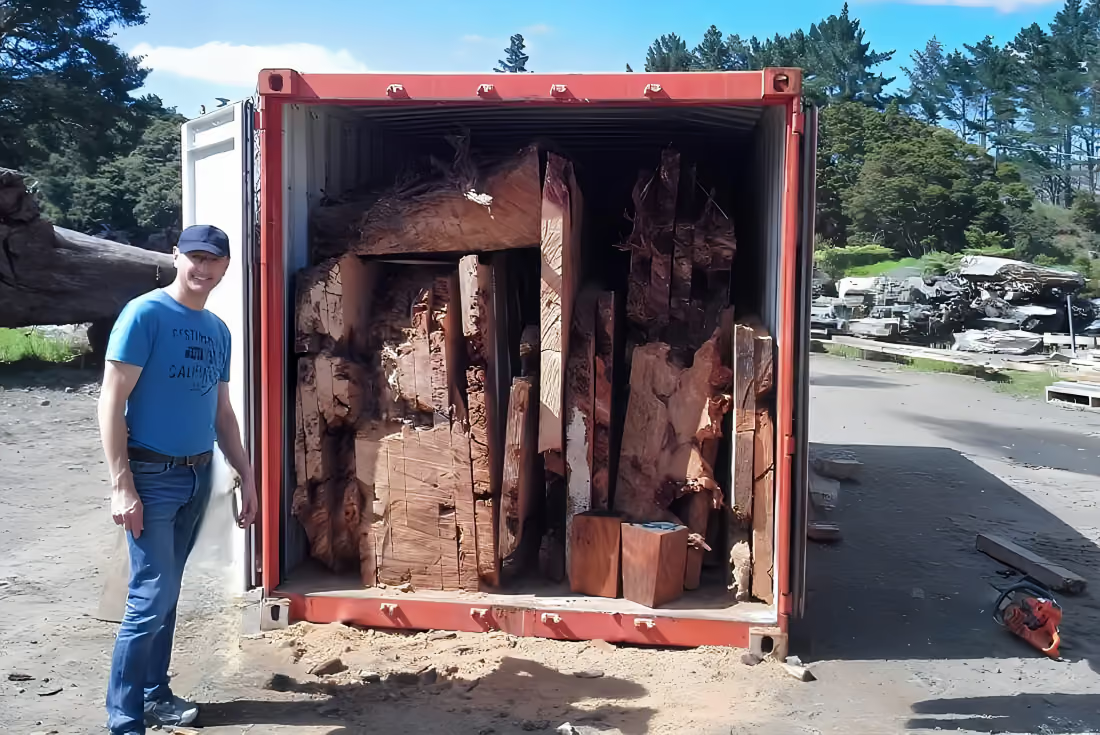
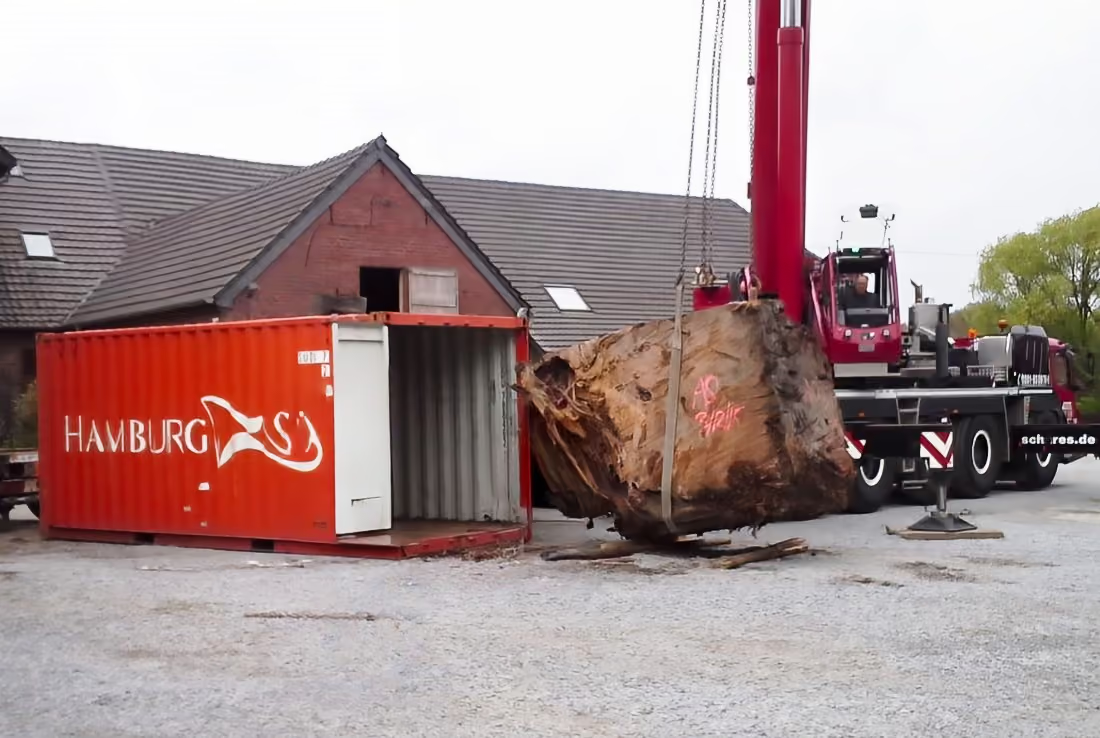
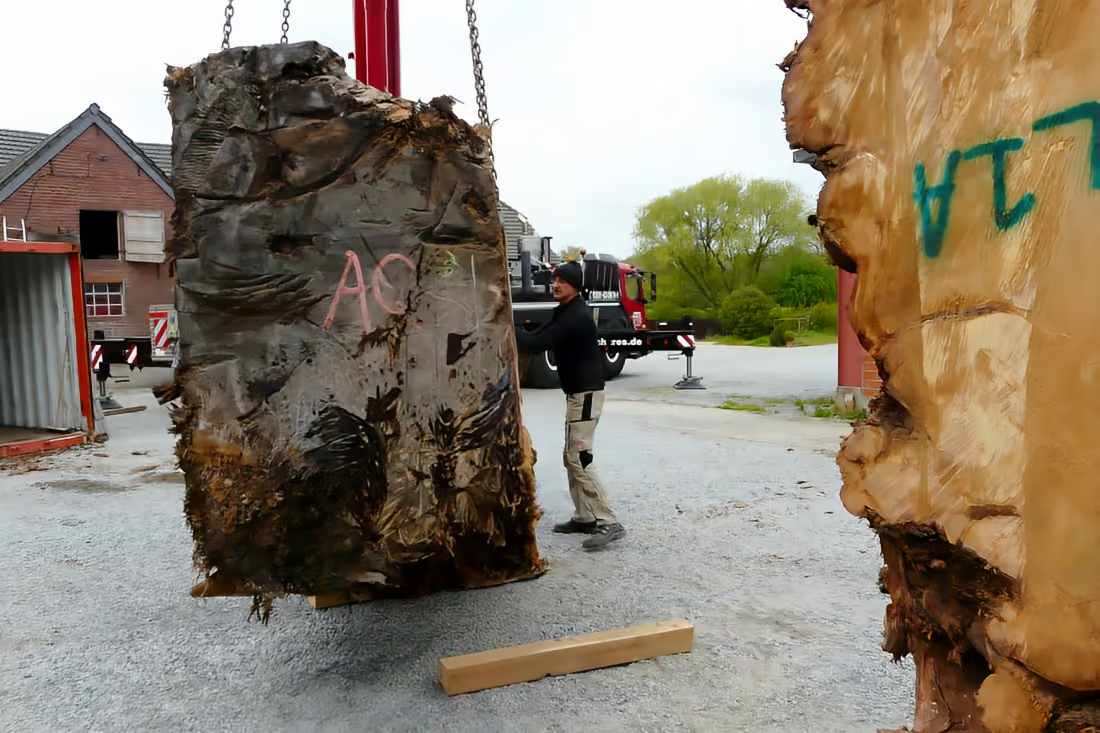
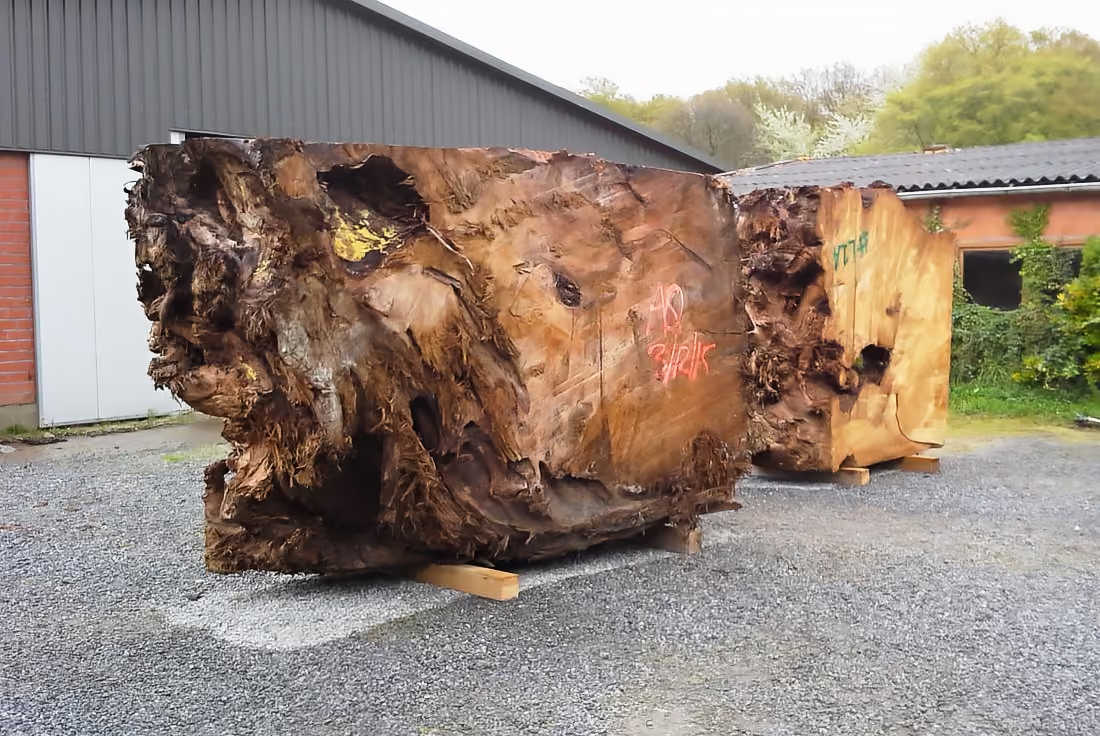
After selection, the root system was recovered and transported to Germany. This phase is one of the most important parts of the work because it once again highlights the scale of the material.
The photographs show that each Beaupoil work is linked to a specific formation. The kauri furniture makes this connection particularly clear.

Exposure and Trimming
From a monumental root structure to a sculptural table
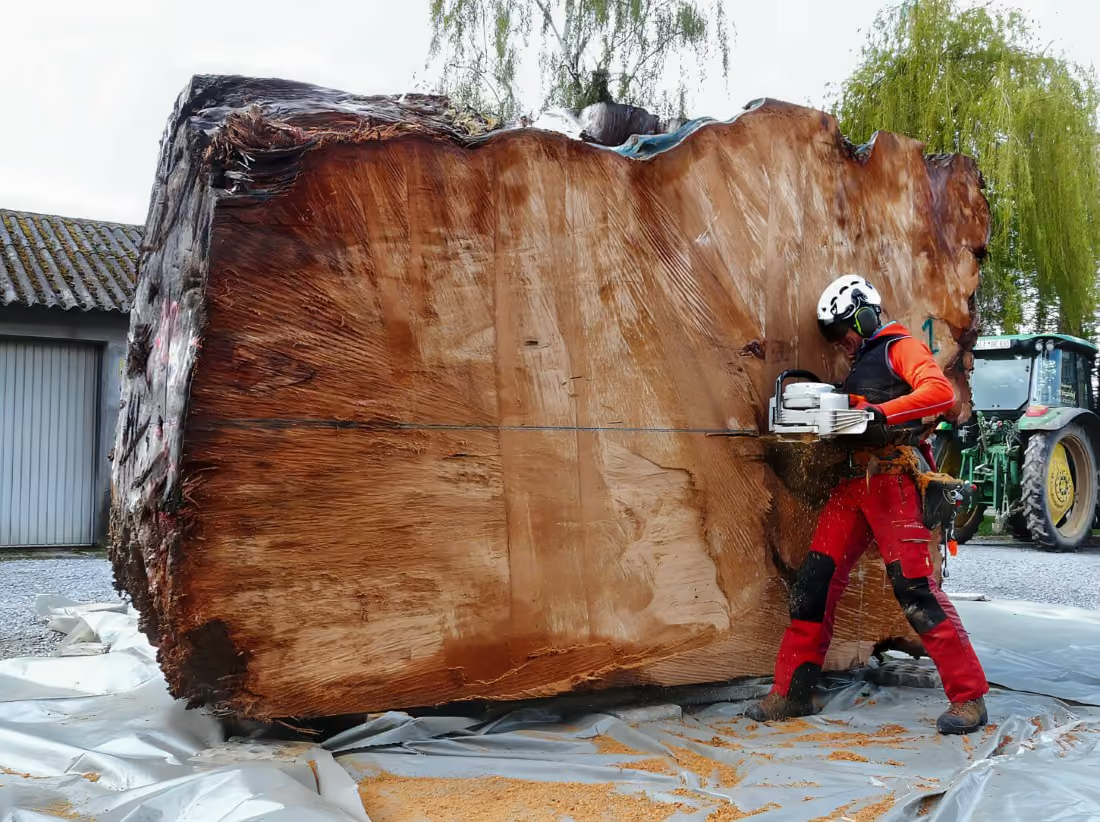
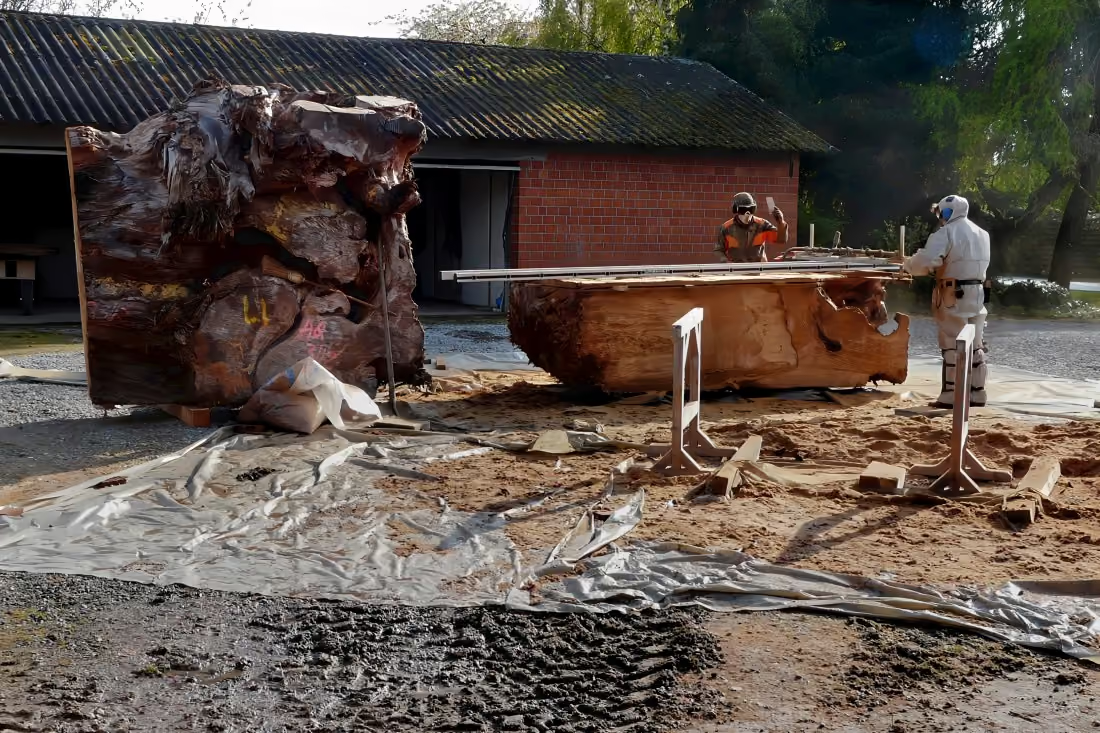
Work began in front of the studio to expose what would later become the slab. As it was being cut to size, it became clear which parts of the monumental root structure would be crucial to the final work.
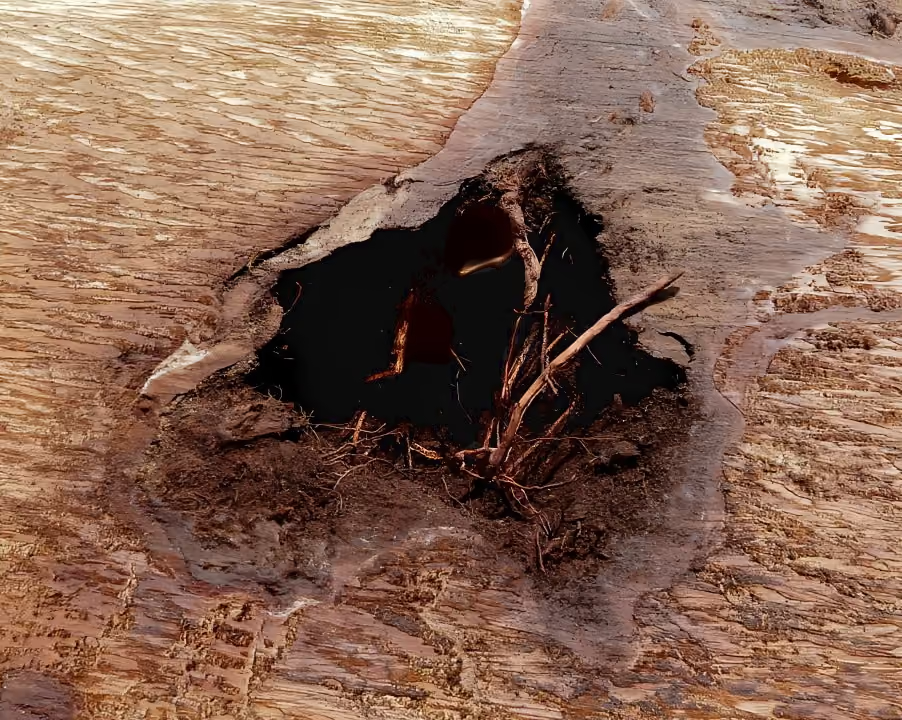
The resulting slab still bears the traces of this process to this day. Root branches, edges, open areas, and natural transitions remain visible as part of the original structure.
Sculptural Furniture
Exposed root structure as a defining feature of the furniture
The origin of the material remains clearly visible in the finished piece of furniture. In particular, the root branches protruding into the naturally formed openings and the exposed root sections give the table its distinctive, archaic look.
As a result, the slab serves as both a tabletop and an exposed section of a much larger root structure. This visual clarity makes Unikat 139 a sculptural collector’s item with a strong material character.

Radiocarbon-dated origin
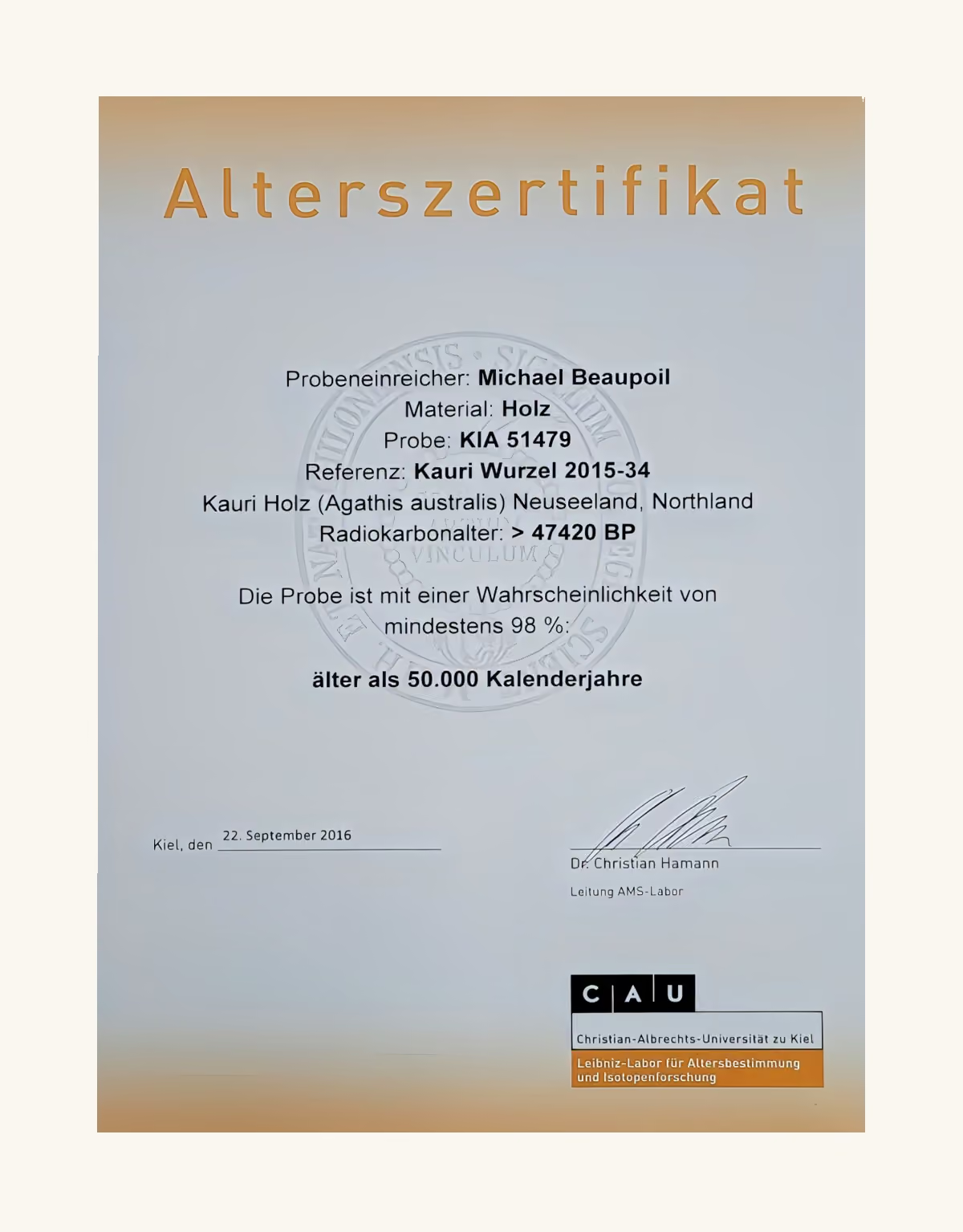
47,000-year-old ancient kauri with a certificate of age
To determine the age, Beaupoil had a material sample analyzed at the Laboratory for Age Determination and Isotope Research in Kiel, which determined that the ancient kauri used was 47,000 years old.
This historical depth is part of the piece's history. It gives the table a sense of origin and a clear material context.
Collectible Dining Table
Monumental Dining Table for Architectural Living and Workspaces
Measuring 330 cm in length and crafted from a single piece of wood, Unikat 139 is ideal as a sculptural dining table or a monumental conference table. The tabletop truly comes into its own in serene, spacious interiors, exclusive gallery spaces, or architecturally designed living areas.
The understated table frame allows the material itself to take center stage. As a result, the monumental origins of this one-of-a-kind piece of furniture remain evident even in its finished state.
