Subfossil wood for collectible furniture and functional art
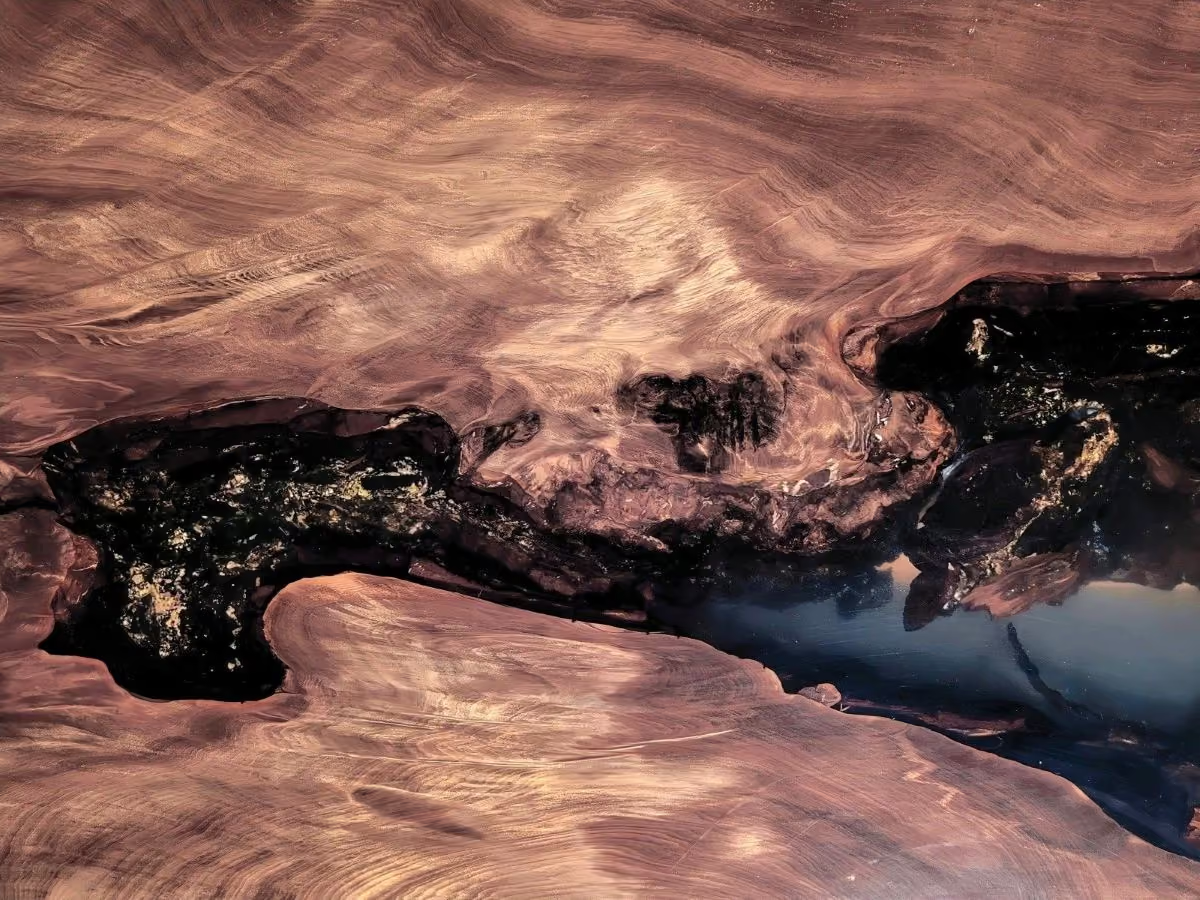
Beaupoil’s works are crafted from ancient kauri, a limited-resource material from New Zealand. Distinctive features include the material’s monumental dimensions, embedded amber, visible tree structures, and extraordinary forms. The result is sculptural tables, documented collector’s items, and collectible design objects with a clear material identity.

Time Preserved
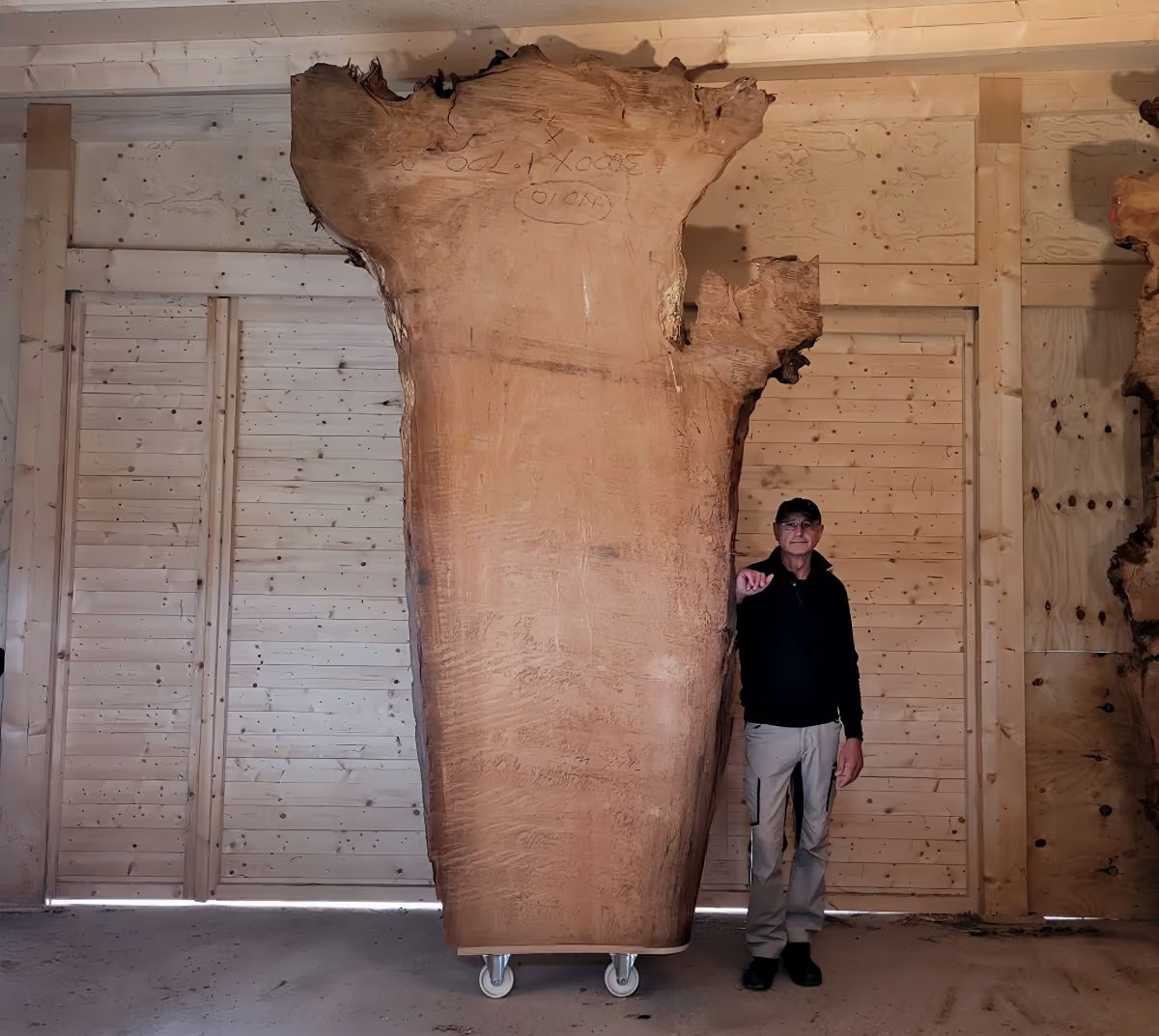
Monumental root plates made from a singlepiece
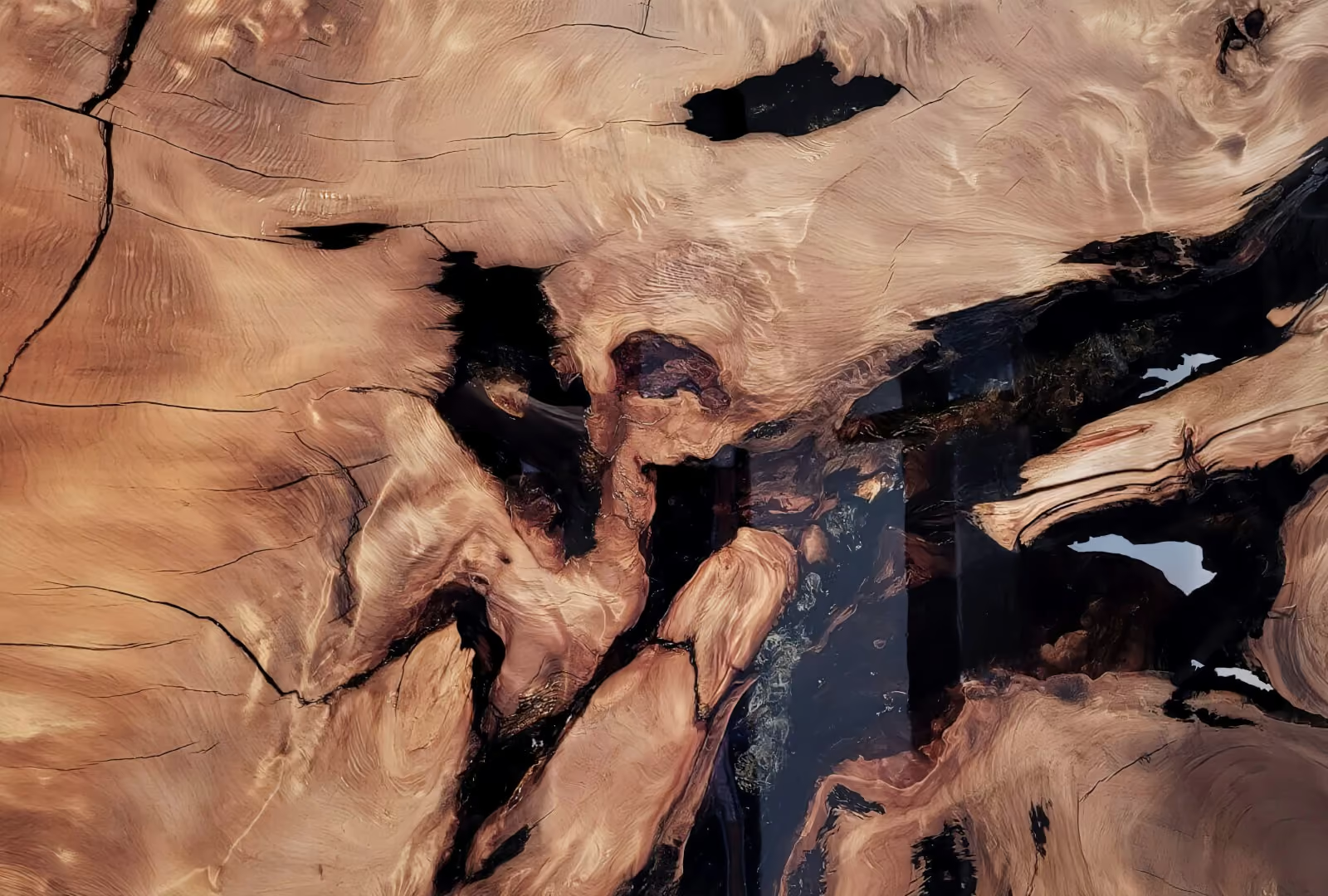
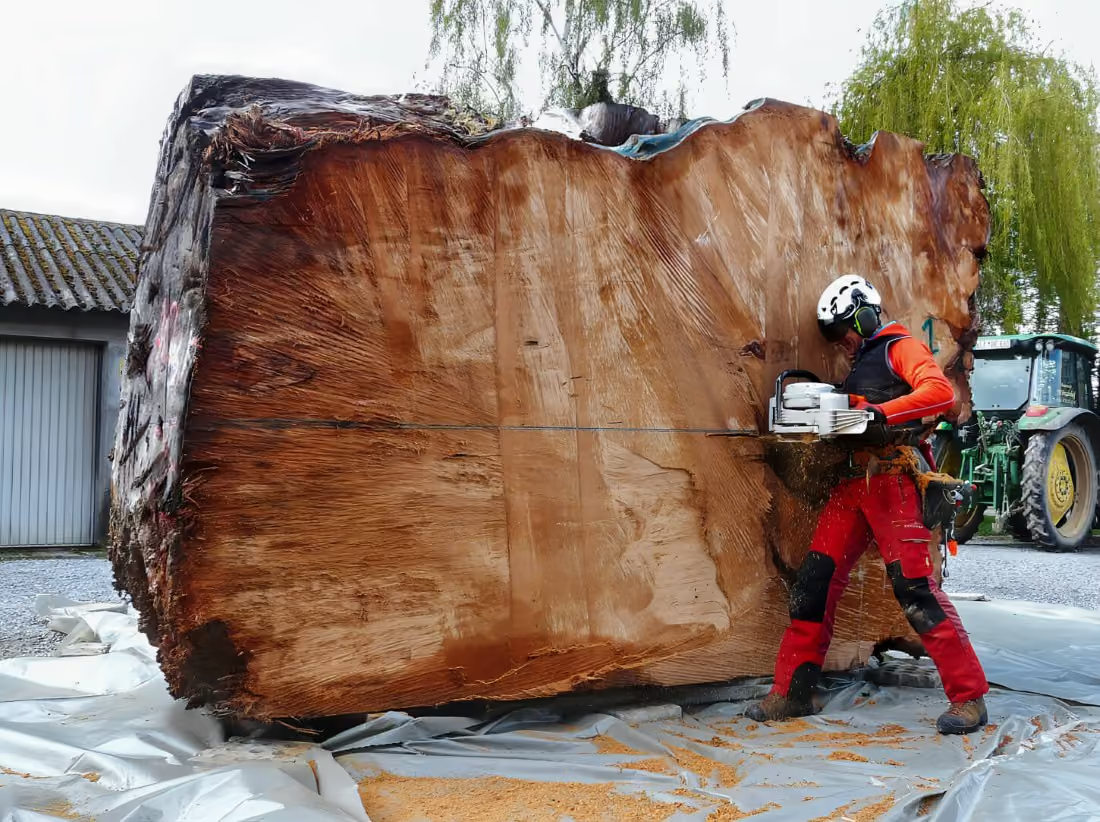
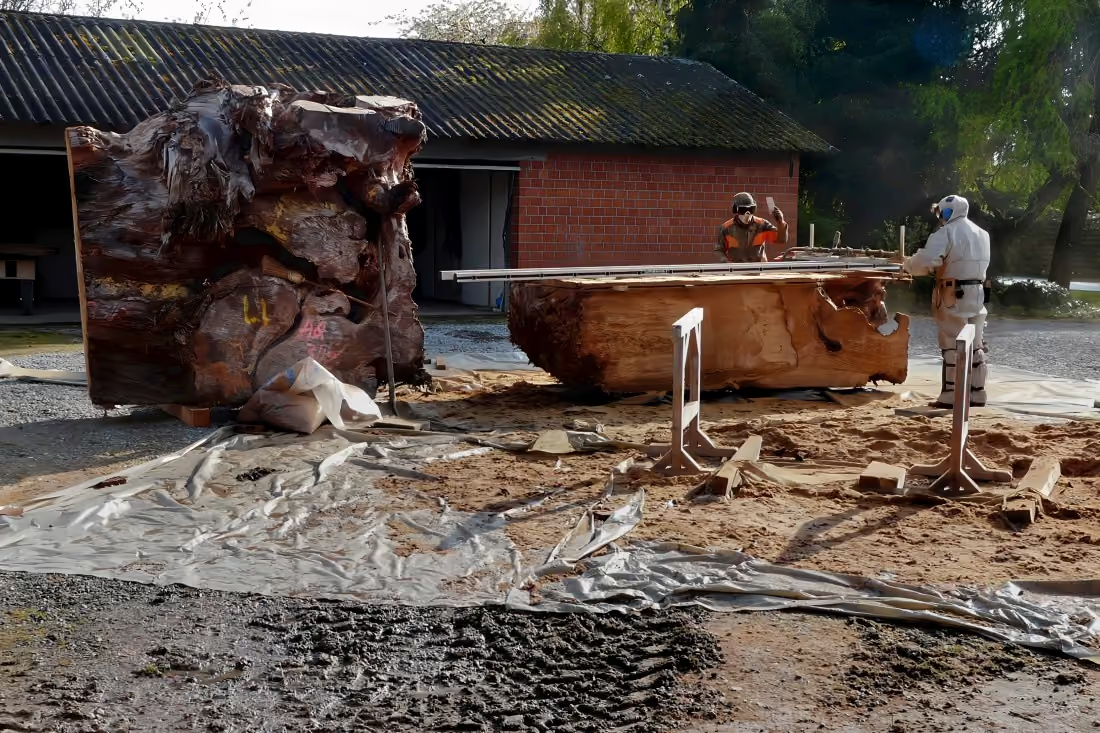
The most striking material consists of the large root plates of historic kauri trees. These formations feature massive root structures, embedded root branches, amber, and bark, as well as natural outer edges and naturally formed openings that extend for several meters.
Their size and cohesiveness give rise to formations that far exceed the typical dimensions of wood. It is precisely these monumental root structures that lend many of the works their extraordinary spatial presence and make them sculptural collector’s items in their own right.
Finiteness
Amber Structures and Material Depth for Functional Art
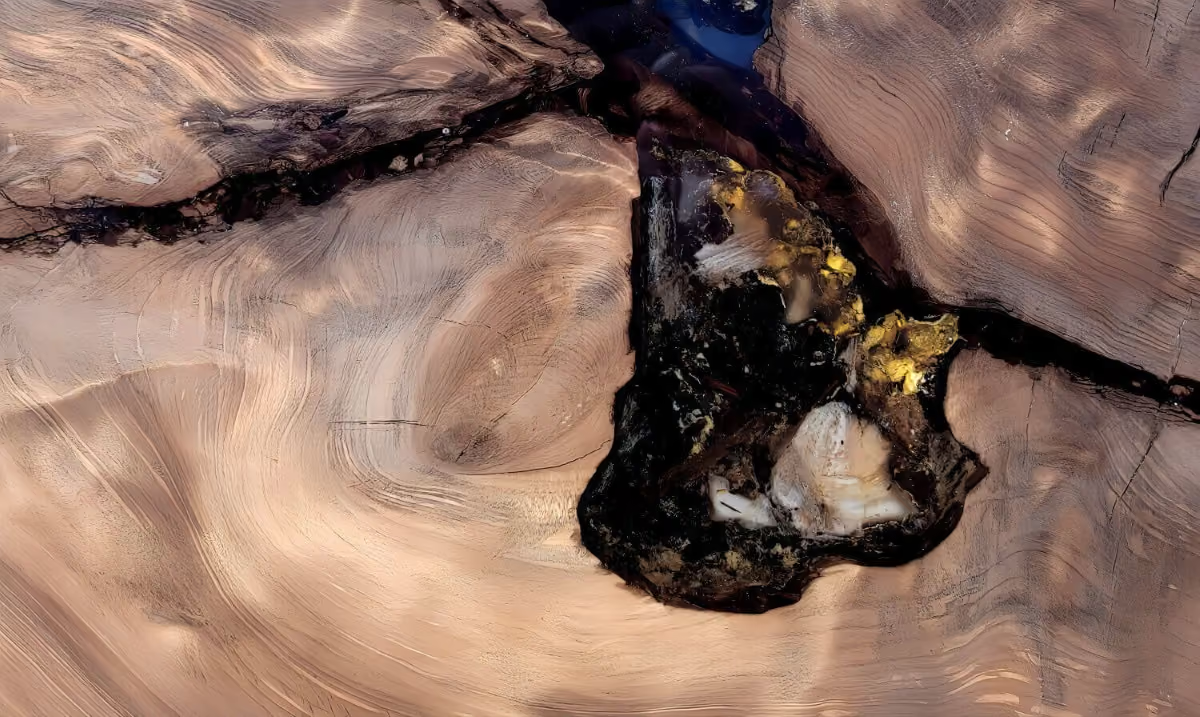
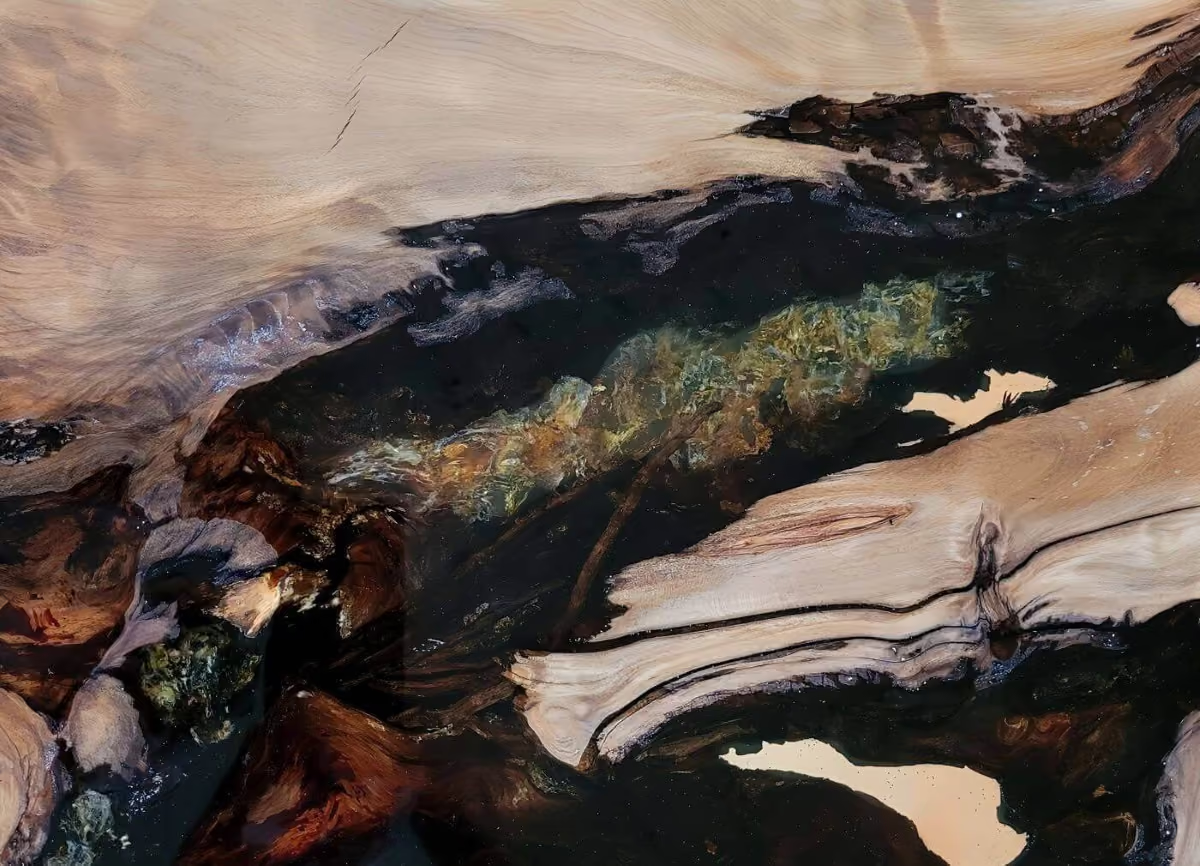
A distinctive feature of many ancient kauri slabs is the embedded amber. While the trees were still alive, resin oozed out and mixed with the wood near the roots. Over long periods of time, this formed golden amber zones that remain visible deep within the wood today.
Together with the bark, resin pockets, and stabilized open areas, these elements create sections with exceptional depth. The surface offers a glimpse into the interior of the material and reveals the natural structure of the solid wood.
Unique Piece 190 highlights the amber-like patterns in the burl wood.
Traces of materials dating back thousands of years
Sculptural Tree Shapes for Design Objects and Collectible Furniture
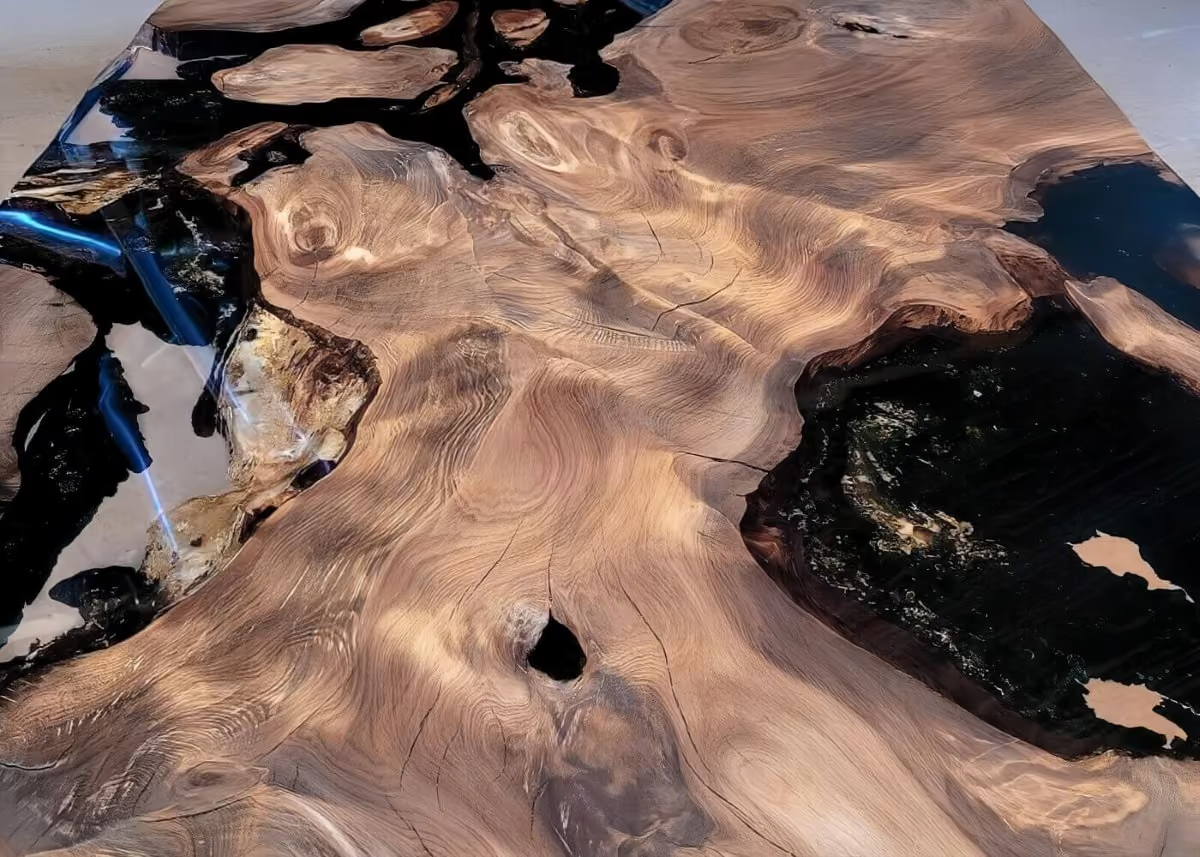
In addition to its striking root sections, Ancient Kauri also features calm trunk formations with cleaner lines. Particularly rare are slabs in which the root merges into the trunk, allowing the tree’s natural form to remain visible in a single piece.
Collectible furniture featuring such formations preserves the natural order of the original tree and creates a serene, architectural effect. The roots, transition, and trunk are perceived as a cohesive whole.
Unique specimen 194 shows a preserved tree line
The visual power of nature as the foundation for sculptural collectibles
The extraordinary effect of ancient kauri root wood stems from a natural order that has developed over very long periods of time. Amber-colored zones, the patterns of the roots, intergrown sections, and the textures of the wood create a visual impact that is virtually impossible for humans to replicate or reproduce.
Many of these formations possess a complexity and depth that are more reminiscent of natural visual spaces than of an ordinary wooden surface. The large root sections, in particular, reveal structures whose expressiveness was not designed but has emerged over millennia from within the material itself.

Between Material, Functional Art, and Collectible Design
This is what gives many of these works their special affinity with sculptural collectibles, functional art, and collectible design objects. The natural expressive power of solid wood forms the basis of many of these works and lends them their distinctive spatial presence.
Beaupoil reveals this natural beauty, brings it to light, and transforms it into a solid-wood table and a work of art and design.
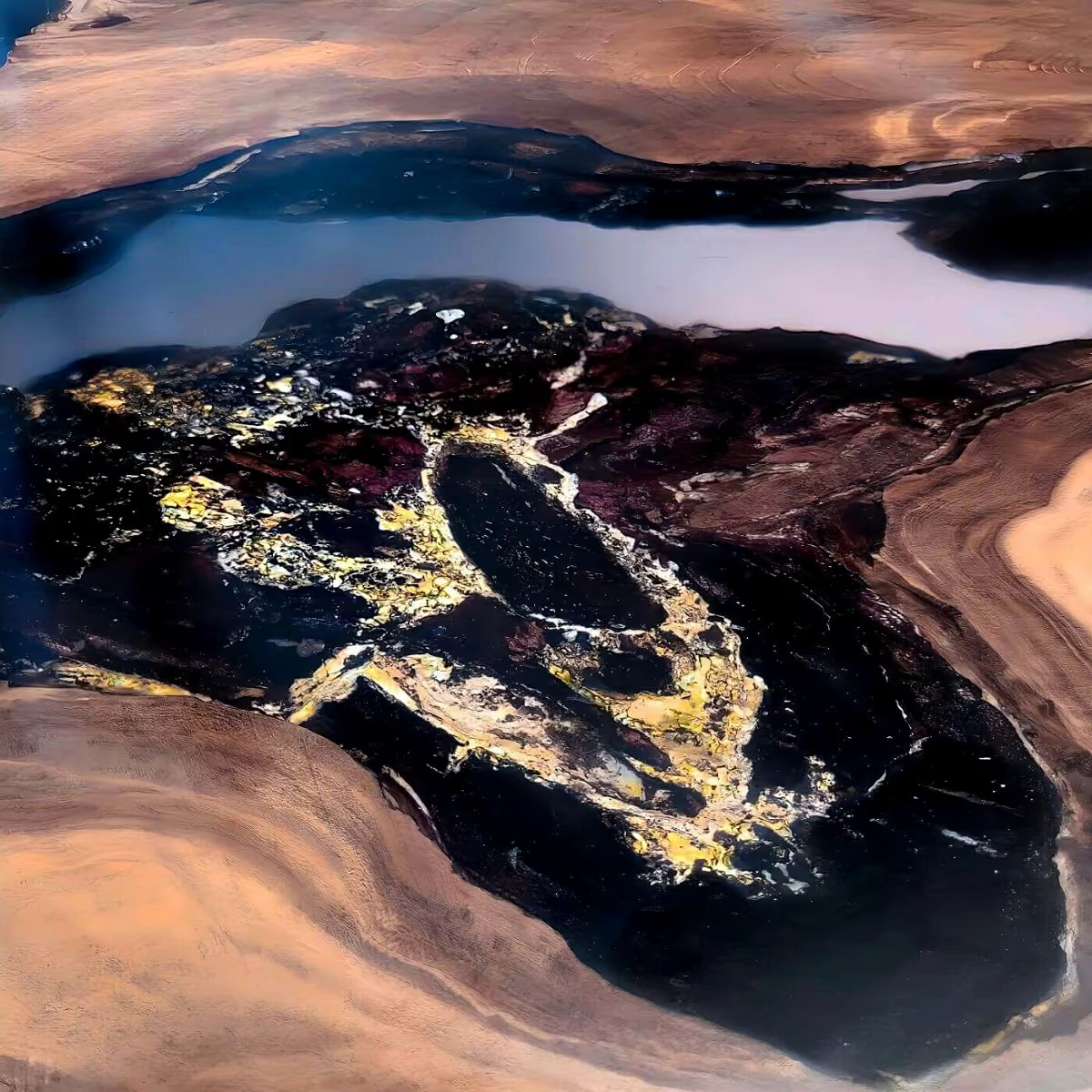
Amber embedded in burl wood
One-of-a-kind collectibles made from finite materials
The available swamp kauri formations come from historical deposits and constitute a limited material resource. New root and trunk formations of this species will no longer develop.
Each large Swamp Kauri slab is therefore part of a finite material legacy whose unique characteristics, dimensions, and natural growth patterns cannot be replicated.
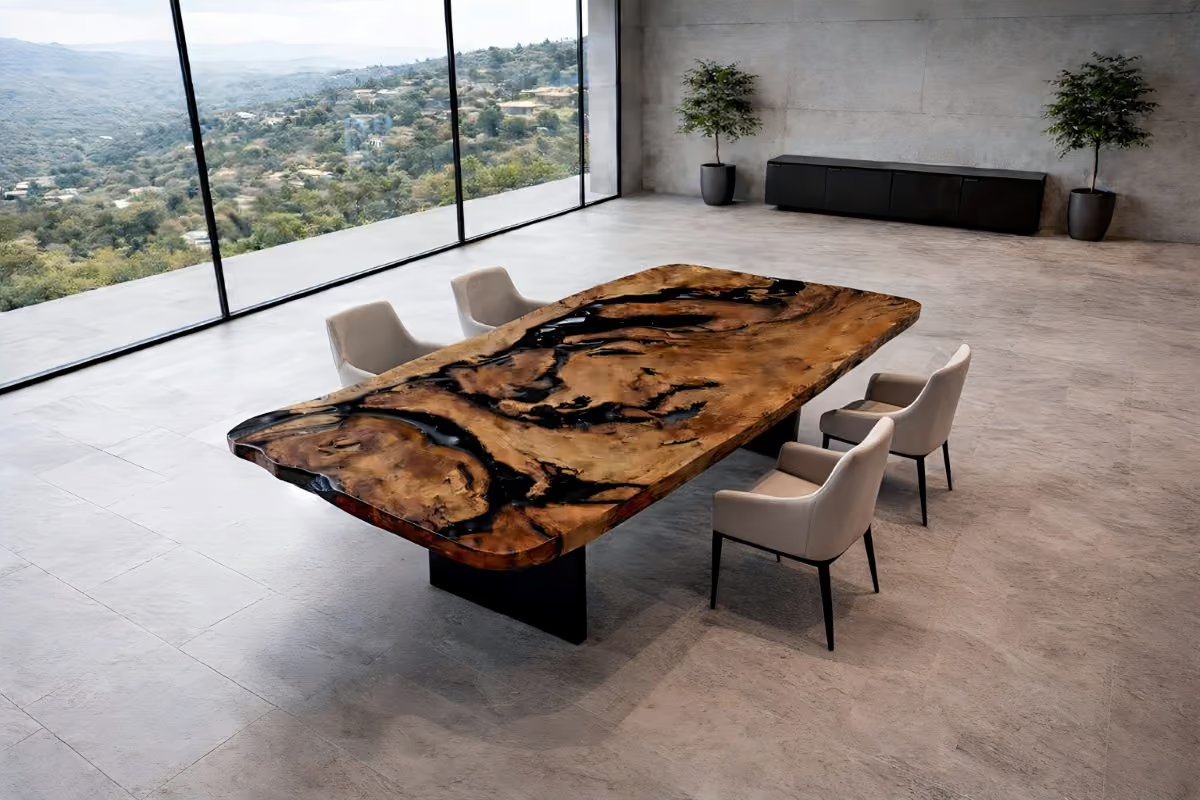
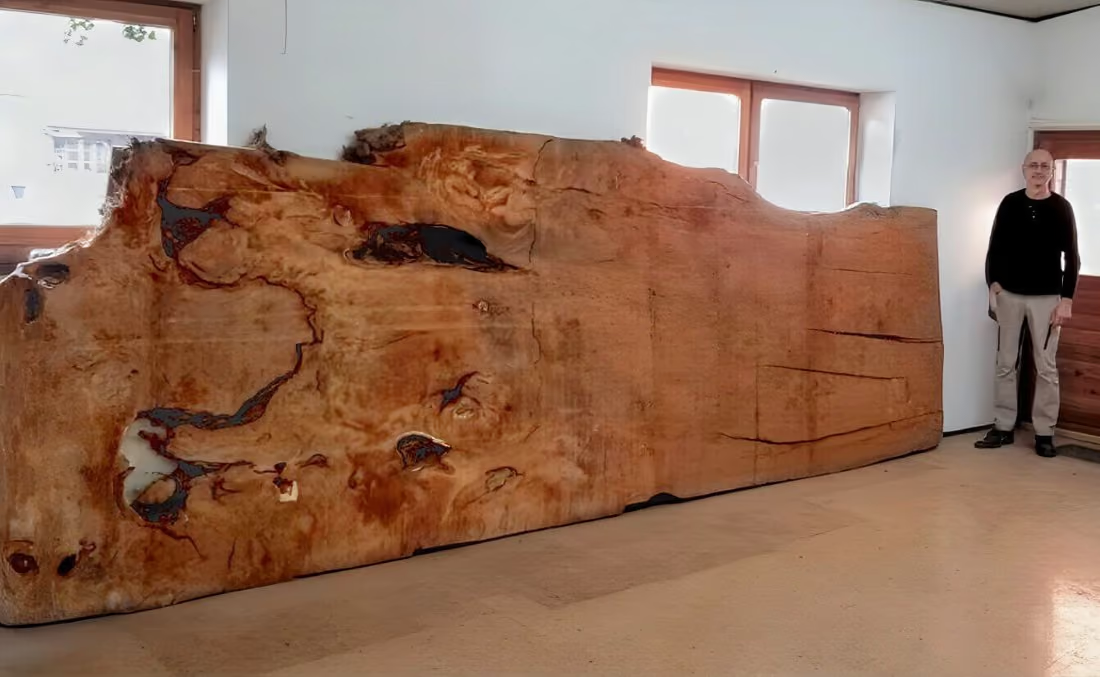
One-of-a-Kind 151 - Slab made from a single piece of kauri burl, 280 x 170 cm
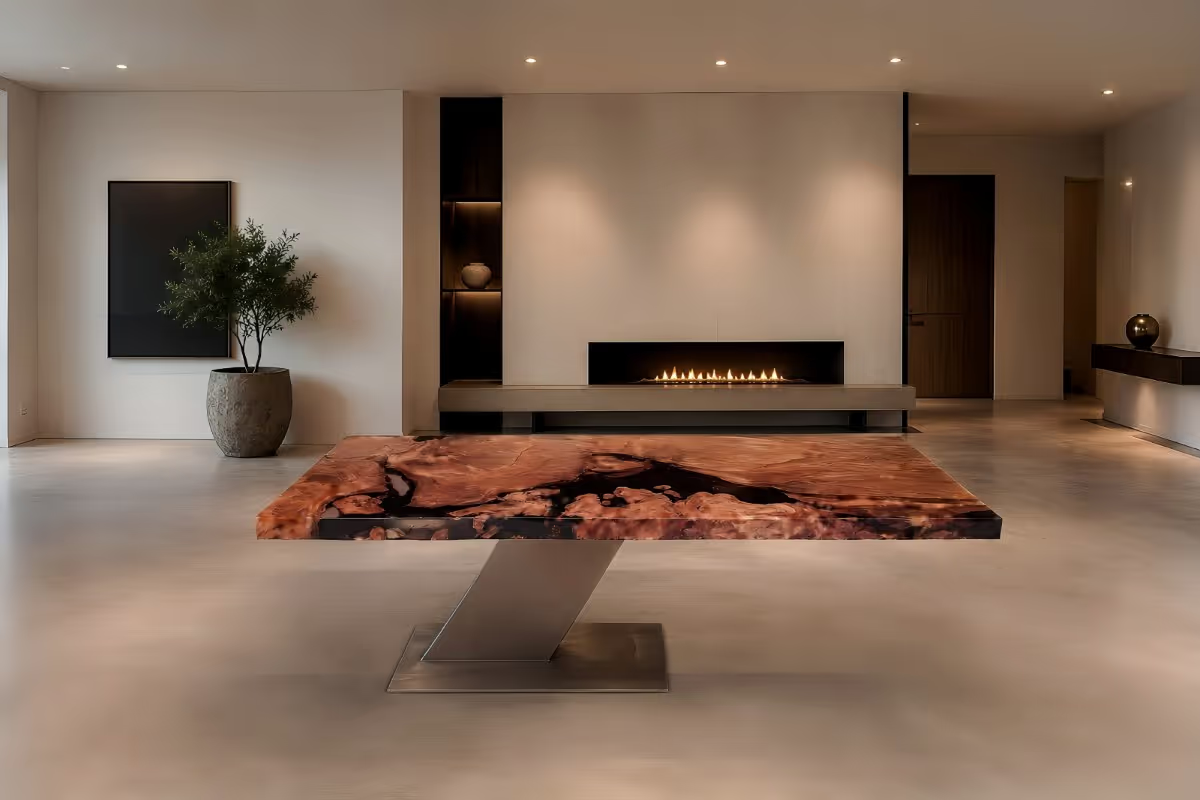
Unique Piece 173 - Sculptural Art Object Made from 3,700-Year-Old Driftwood
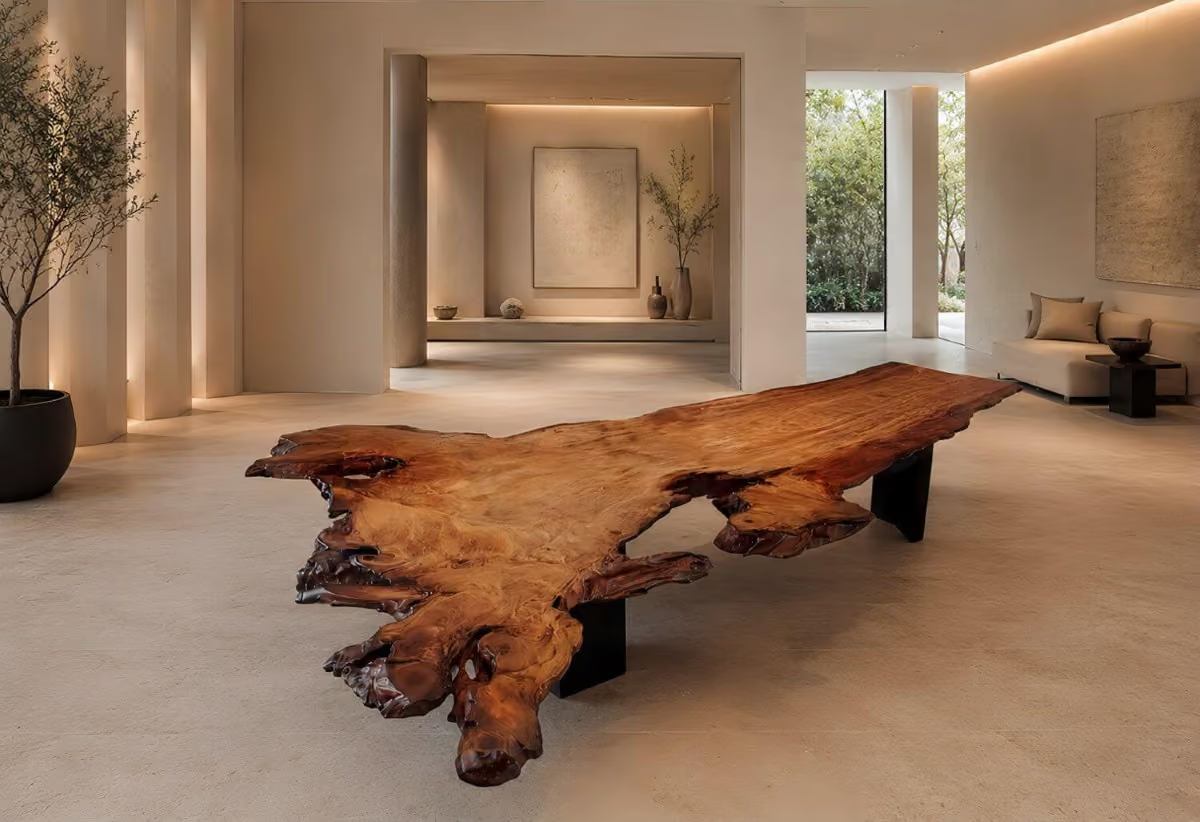
Unique Piece 194 - Functional Art: Tree-Shaped Table
Traces of materials dating back thousands of years and the visible passage of time
In some places, the solid wood panels reveal exposed areas of the material, signs of wear, or aged textures. These marks are part of the wood’s history and reveal its depth of time.
Every Ancient Kauri slab is documented. Age assessments and scientific dating make it possible to trace the material’s history over time. The documented origin and provenance remain part of the resulting artwork.
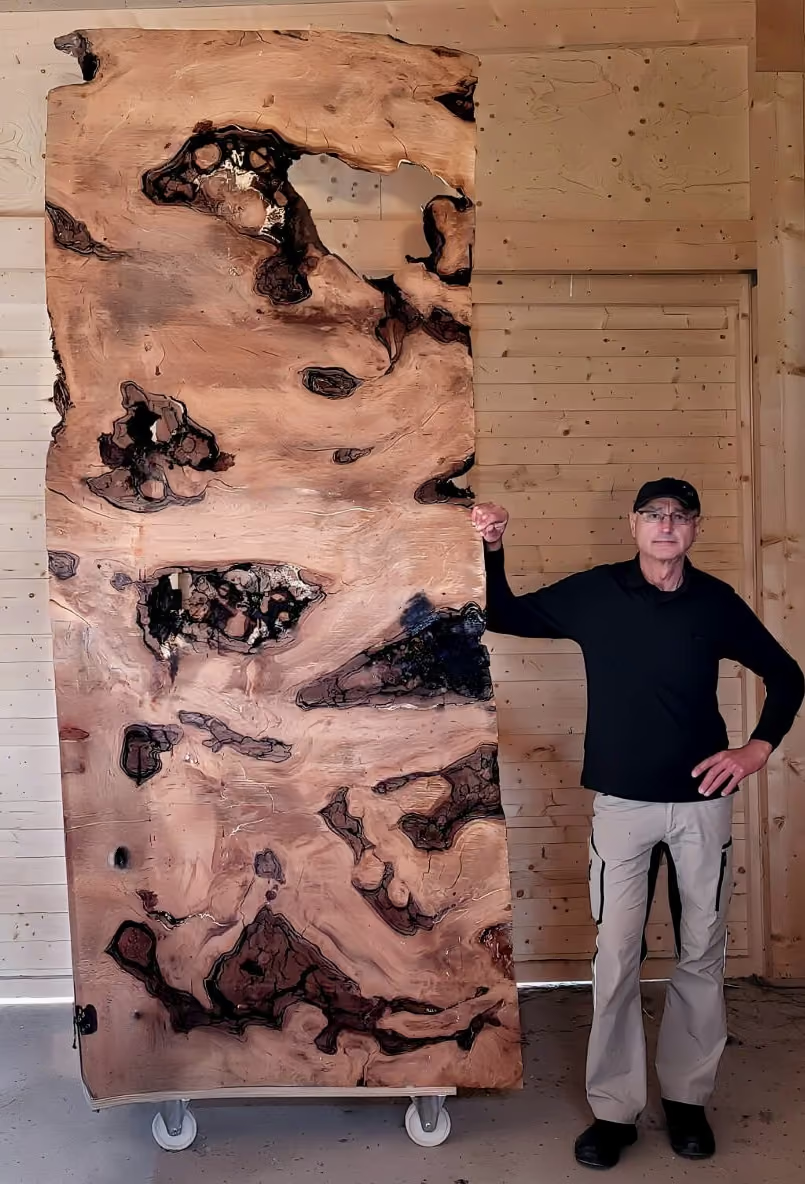
Beaupoil in his studio with an unworked slab of burl wood—47,000 years old
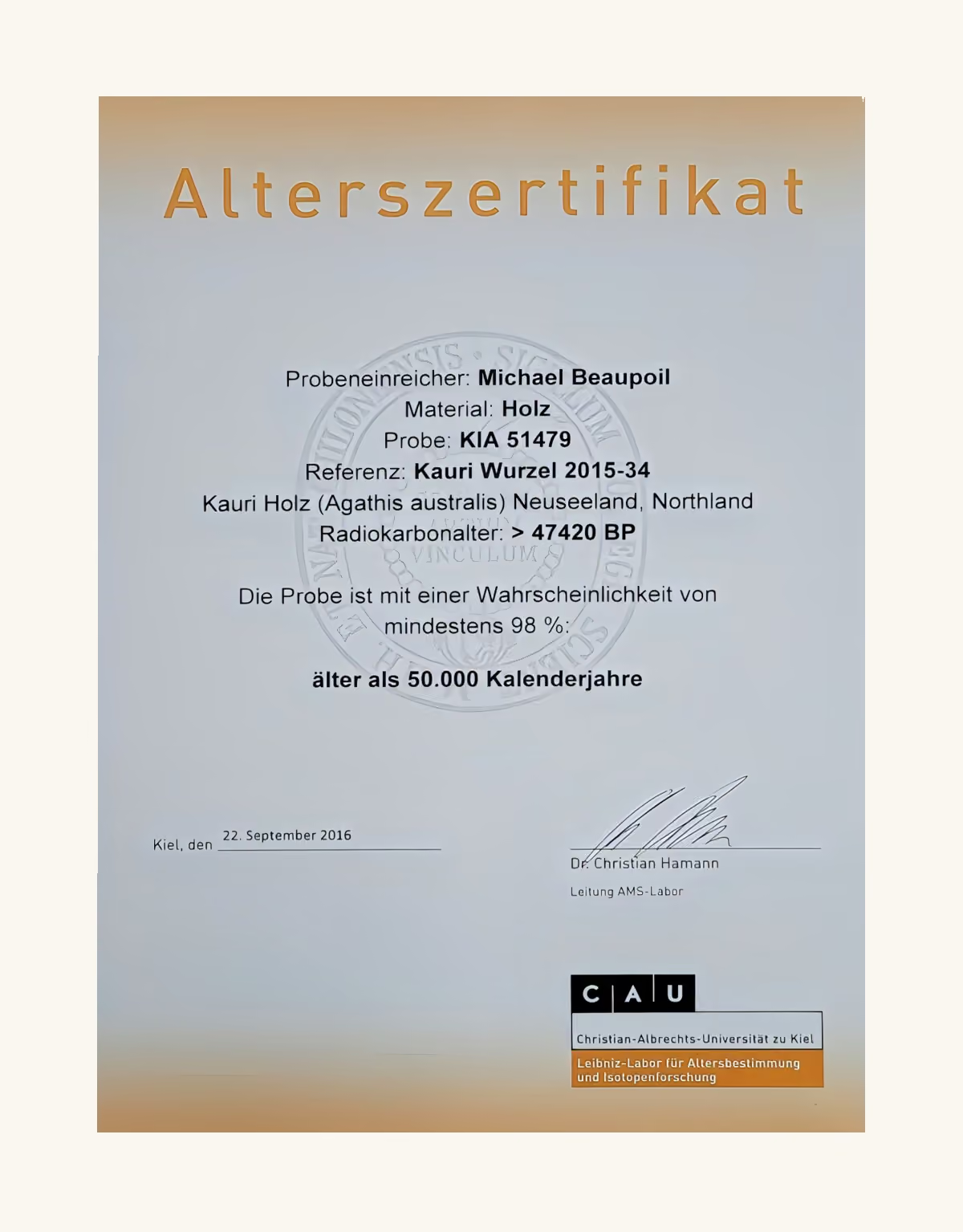
Collectible Art and Contemporary Craft of International Rarity
The combination of monumental root plates, tree forms, embedded amber, visible bark, and material depth spanning millennia creates a material substance with extraordinary individual character.
This results in unique collector's items whose mature visual impact, spatial presence, and natural creative power hold a special place within the realms of collectible design and exclusive contemporary craft.